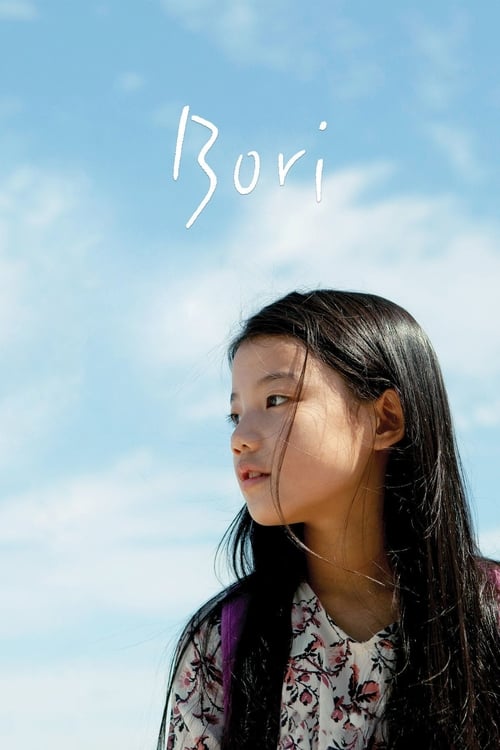
Bori
2020
No user ratings available yet
Representation score: 7.4 out of 10
Representation Score
Excellent
2009
Director
Fu Tien-yu
Runtime
96 minutes
Average Rating
No ratings yetNew Showbiz Analysis
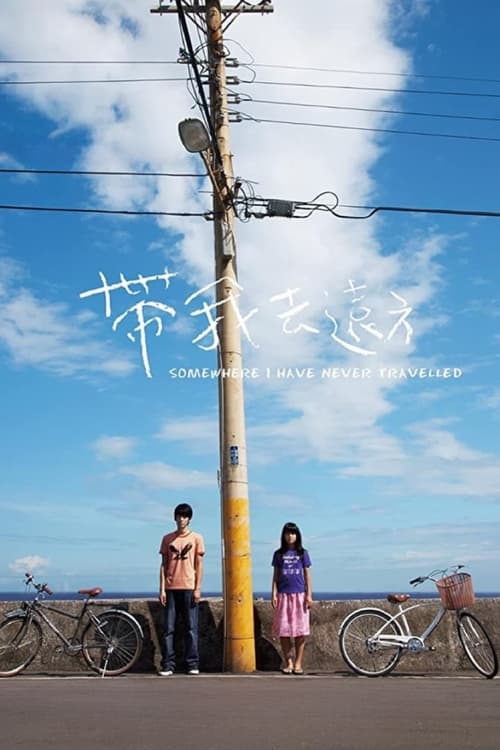
Fu Tien-yu’s drama succeeds by centering a protagonist whose sensory difference is the catalyst for the entire narrative. By focusing on color blindness, the film moves beyond mere medical depiction to explore the profound alienation caused by a world built for the sighted. The film excels in disability representation, treating A-Kuei's condition as a lens through which to view social and familial structures. It avoids common clichés, instead emphasizing the struggle for empathy within a restrictive community. While the film offers strong regional and disability-focused perspectives, it remains somewhat limited in explicit LGBTQ+ and gender-specific subversions. However, its critique of traditionalist superstition and its focus on non-Western settings provide a refreshing departure from standard cinematic norms.
Category Breakdown
The film explores themes of 'otherness' through the emotional intimacy between A-Kuei and her cousin. While explicit LGBTQ+ identities are not confirmed, the narrative centers on characters existing outside social norms.
A-Kuei serves as a proactive protagonist whose internal sensory reality drives the plot. The story critiques traditional matriarchal authority by contrasting the grandmother's superstition with the protagonist's lived experience.
The setting provides a non-Western perspective that departs from Anglo-centric storytelling. It uses a localized village context to explore themes of isolation and regional identity.
The narrative critiques traditionalist dogma by portraying a grandmother who favors superstition over psychological understanding. The protagonist's journey suggests a search for individualized truth over communal mandates.
Color blindness is treated as a fundamental aspect of identity rather than a tragedy to be cured. The film avoids 'inspiration porn' by focusing on the systemic difficulty of being understood.
Present on Screen
Limited or Absent
Official Synopsis
Color blind girl A-Kuei feels alienated and misunderstood. She is raised by her grandmother who would rather believe she is possessed than hear her feelings. The only person in the village who understands her is her bookworm cousin A-Hsien. He tells her that there is an island far away in the South Pacific where everyone is also color blind due to a genetic mutation.
2020

1999

2009
2002

2015

2010
2022

2018
No reviews yet. Be the first to share your thoughts on this movie!
Use the rating form above to leave a star rating and optional review.