
Girl Overboard
1929
No user ratings available yet
Representation score: 2.8 out of 10
Representation Score
Minimal
1934
NRDirector
James Whale
Runtime
88 minutes
Average Rating
No ratings yetNew Showbiz Analysis
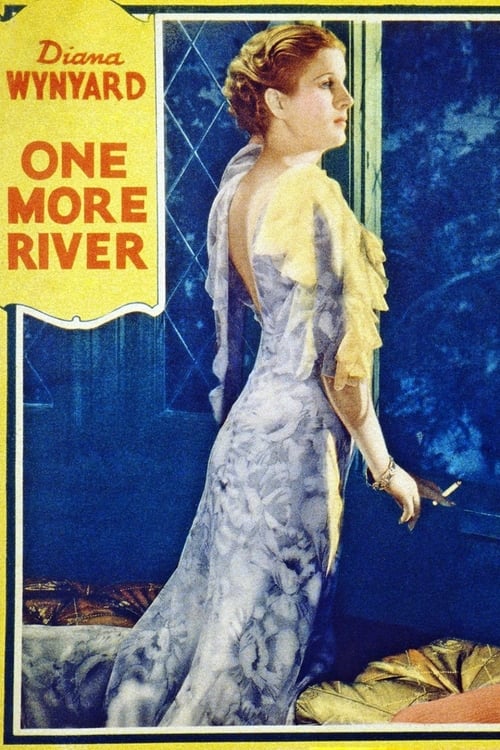
One More River is a traditional period drama focused on restoring social and family norms. While it briefly highlights a female lead escaping an abusive marriage, the narrative quickly returns to reinforcing conventional structures. The film lacks multi-layered complexity, offering no representation for LGBTQ+ identities, diverse racial backgrounds, or individuals with disabilities. It remains a product of its time, emphasizing a homogeneous, middle-to-upper-class English setting.
Category Breakdown
The film does not include any LGBTQ+ characters or show same-sex relationships. It follows the traditional romantic relationships expected in 1930s cinema.
The female lead takes control by escaping a violent husband. However, the story focuses on restoring family harmony and traditional domestic life.
Set in the English countryside, the film features a homogeneous cast with no non-white or non-Anglo-Saxon characters.
The story upholds traditional Western values about family unity. It aims to restore social and family harmony.
There are no characters with physical or neurodivergent disabilities in the film.
Present on Screen
Limited or Absent
Official Synopsis
A young lady leaves her brutal husband and meets another man on board a ship.
1929
1934
1934
1928

1929

1938
1932
1952
No reviews yet. Be the first to share your thoughts on this movie!
Use the rating form above to leave a star rating and optional review.