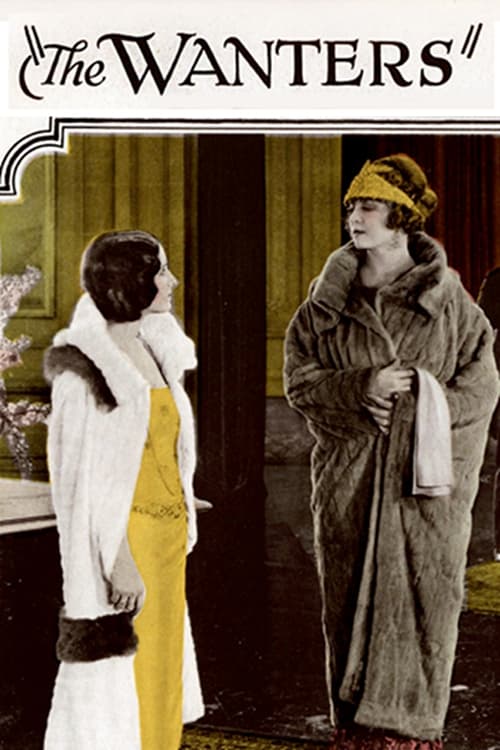
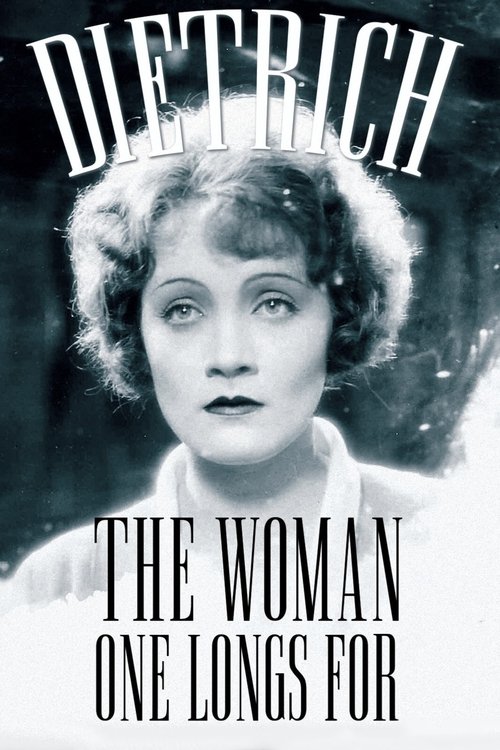
The Wanters
1923
No user ratings available yet
Representation score: 3.7 out of 10
Representation Score
Fair
1929
Director
Curtis Bernhardt
Runtime
76 minutes
Average Rating
No ratings yetNew Showbiz Analysis
The film is a character-driven drama that emphasizes personal ability to act and romantic autonomy. Although it lacks modern multi-layered complexity, it moves beyond typical clichés by giving the female lead a decisive role in the plot. However, the production reflects the demographic homogeneity of 1929 German cinema, focusing on a conventional European social framework with little racial or LGBTQ+ diversity. Ultimately, the film offers a subtle critique of social duty through themes of longing and rebellion, despite being constrained by the era's historical context.
Category Breakdown
The film focuses on a heterosexual relationship between Henry and Stascha. There are no queer subtexts or non-cisgender identities in the story.
Stascha is a co-protagonist who actively pursues a new life alongside Henry. Her dissatisfaction with her current situation drives her actions.
The story operates within a conventional European social framework. There is no indication of a multi-ethnic cast or diverse ethnic representation.
The plot examines individualistic rebellion against social order. The protagonists' desire to leave their current lives suggests a critique of rigid social structures.
The narrative does not include any characters dealing with physical, sensory, or neurodivergent conditions.
Present on Screen
Limited or Absent
Official Synopsis
After a chance meeting at a train station, Henry and Stascha, unhappy with their circumstances, are determined to leave and be together.
1923
1934

1911

1923
1934
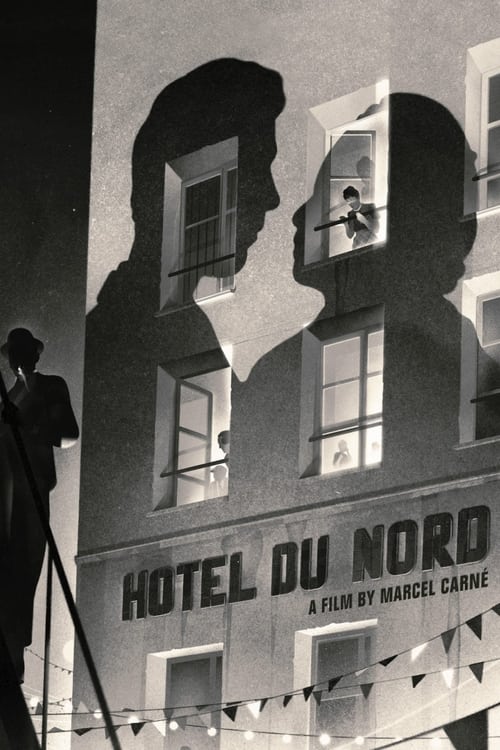
1938

1929

1932
No reviews yet. Be the first to share your thoughts on this movie!
Use the rating form above to leave a star rating and optional review.