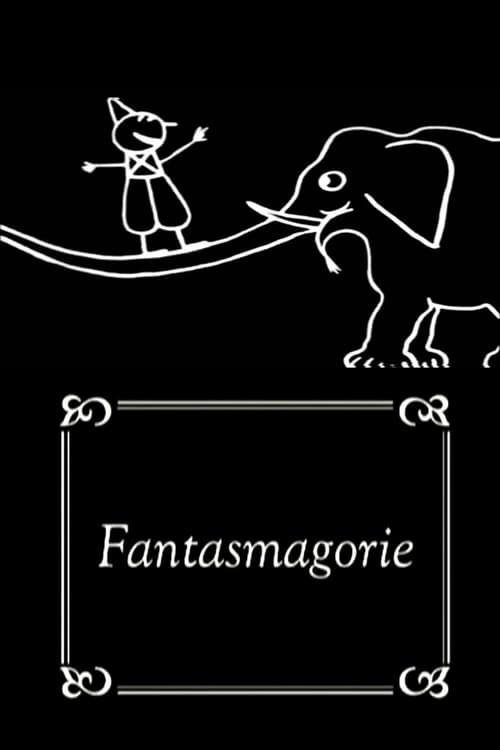
Fantasmagorie
1908
No user ratings available yet
Representation score: 2.0 out of 10
No Poster Available
Representation Score
Limited
1908
Director
Émile Cohl
Runtime
4 minutes
Average Rating
No ratings yetNew Showbiz Analysis
Émile Cohl’s work is a pioneering milestone in animation history, using early stop-motion techniques to break new ground in filmmaking. However, the narrative content adheres closely to the social norms of the early 1900s. The film relies heavily on colonial-era stereotypes, especially through the depiction of cannibals. While it showcases technical innovation, the storytelling does not challenge existing power structures. Overall, the film stands as a technical achievement rather than a progressive work, reflecting the limited social awareness of its time.
Category Breakdown
The film does not include any characters with non-traditional gender identities or same-sex relationships. It follows the social norms of the early 1900s.
The focus on tin soldiers highlights masculine archetypes of combat. There is no evidence of women taking active roles or challenging traditional gender roles.
The inclusion of cannibals suggests reliance on colonial-era stereotypes and caricatures. These depictions lack nuanced characterization for diverse groups.
Themes of soldiers becoming deities align with traditional mythological storytelling. The film does not critique Western institutions or secular views.
There is no visible evidence of characters with physical or neurodivergent disabilities in the reported elements of the film.
Present on Screen
Limited or Absent
Official Synopsis
A mixture of stop-motion and live action film from Émile Cohl with tin soldiers, children's drawings and cannibals in blackface.
1908
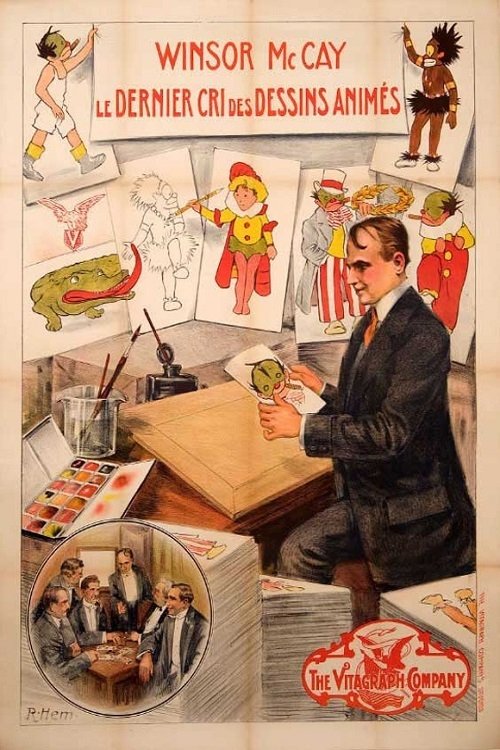
1911
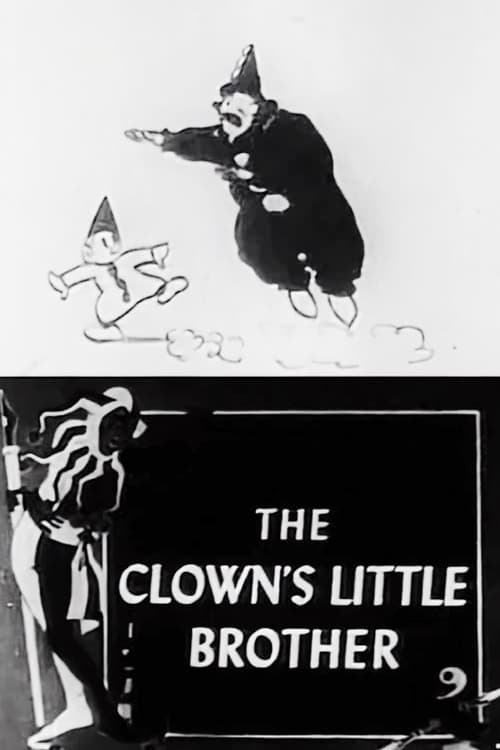
1920
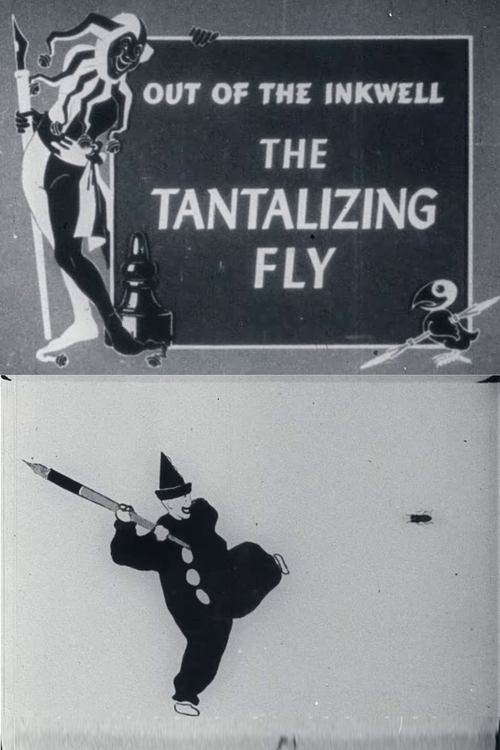
1919
1926
1917
1919

1920
No reviews yet. Be the first to share your thoughts on this movie!
Use the rating form above to leave a star rating and optional review.