
The Enchanted Drawing
1900
No user ratings available yet
Representation score: 0.1 out of 10
Representation Score
Limited
1910
Director
Émile Cohl
Runtime
5 minutes
Average Rating
No ratings yetNew Showbiz Analysis
Émile Cohl’s seminal work is a landmark of early cinematic surrealism, prioritizing formal experimentation over broad demographic representation. The film's strength lies in its metamorphic animation style, which deconstructs physical reality to explore the subconscious. However, the narrative remains tied to the social homogeneity of its era. The focus is primarily on a male protagonist's psychological state and a critique of alcohol, leaving little room for diverse interpersonal dynamics. Ultimately, while the film challenges perceptions of form and order, it does not engage with modern frameworks of diversity or varied representation.
Category Breakdown
The film focuses on a waiter's internal dreamscape and a group of card-playing customers. There is no indication of non-traditional gender identities or same-sex relationships.
The narrative centers on a male waiter in a professional café setting. While the surreal animation style disrupts typical character types, there is no evidence of women taking a leading role.
The setting appears to reflect the homogeneous social structures of 1910 Europe. No details suggest multicultural casting or intentional racial diversity among the customers.
The film uses a surreal dream sequence to critique the social ills of alcohol. This provides a moral inquiry into contemporary social behaviors and habits.
The film provides no information regarding the depiction of physical or neurodivergent disabilities.
Present on Screen
Limited or Absent
Official Synopsis
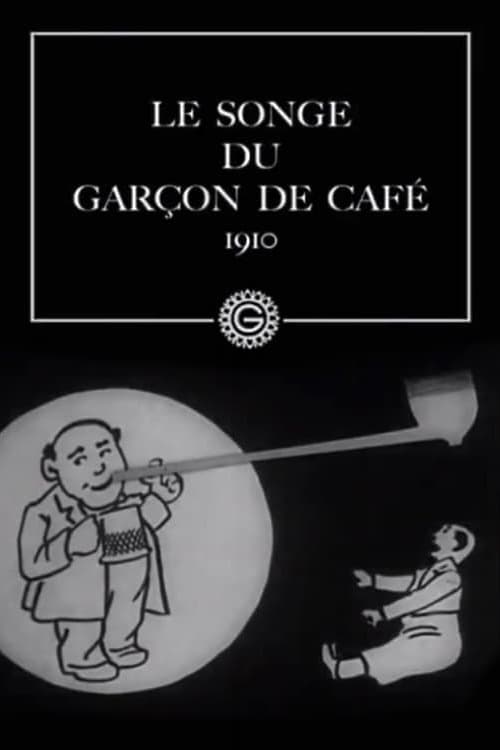
Four customers are having a peaceful game of cards in a quiet café. The atmosphere being heavy, the waiter falls asleep and has an unsettling dream about the ills of alcohol, among other things.
1900
1908
1915
1900
1905
1905
1911
1909
No reviews yet. Be the first to share your thoughts on this movie!
Use the rating form above to leave a star rating and optional review.