The Highwater Trilogy
2006
No user ratings available yet
Representation score: 2.9 out of 10
Representation Score
Limited
2012
Director
Bill Morrison
Runtime
80 minutes
Average Rating
No ratings yetNew Showbiz Analysis
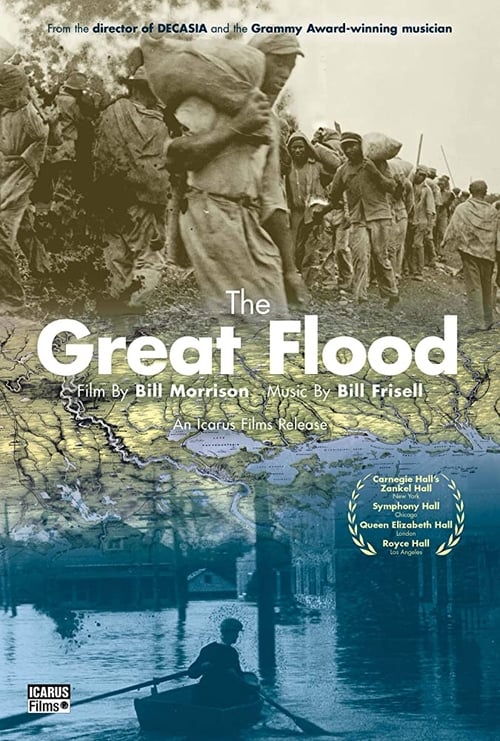
Bill Morrison’s documentary uses archival montage to examine the 1927 Mississippi River Flood. Unlike traditional documentaries, it does not follow individual characters but instead explores systemic changes and the collective experience of displaced populations. By focusing on the Black experience and the Great Migration, the film challenges monolithic historical narratives. However, the non-narrative structure means it lacks character-driven narratives and thus does not engage with gendered power dynamics or LGBTQ+ identities.
Category Breakdown
There are no explicit references to LGBTQ+ identities or narratives in the film. The montage does not include any scripted dialogue or character development related to LGBTQ+ experiences.
Since the film is a montage without interpersonal interactions, it does not address gendered power dynamics. Without character interactions, the film cannot explore gender-based roles or ability to act.
The film focuses on the mass exodus of displaced sharecroppers and the Great Migration. It highlights the cultural ability to act of Black musicians and laborers through the development of the Blues.
The work critiques the stability of Western historical records using decaying celluloid. It emphasizes cultural resilience during the transition from rural to urban settings.
Given its experimental, non-narrative format, the film does not depict specific instances of disability. Physical impairments shown are part of the historical context rather than intentional representations.
Present on Screen
Limited or Absent
Official Synopsis
The Mississippi River Flood of 1927 was the most destructive river flood in American history. In the spring of 1927, the river broke out of its banks in 145 places and inundated 27,000 square miles to a depth of up to 30 feet. Part of it enduring legacy was the mass exodus of displaced sharecroppers. Musically, the Great Migration of rural southern blacks to Northern cities saw the Delta Blues electrified and reinterpreted as the Chicago Blues, Rhythm and Blues, and Rock and Roll. Using minimal text and no spoken dialog, filmmaker Bill Morrison and composer - guitarist Bill Frisell have created a powerful portrait of a seminal moment in American history through a collection of silent images matched to a searing original soundtrack.
2006

1977
2013

1992
2008
2013
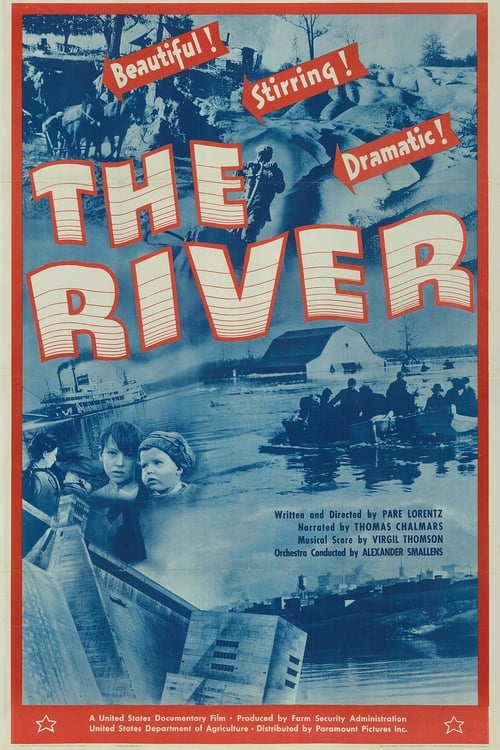
1938
2019
No reviews yet. Be the first to share your thoughts on this movie!
Use the rating form above to leave a star rating and optional review.