Nelly's Folly
1961
No user ratings available yet
Diversity score: 4.3 out of 10
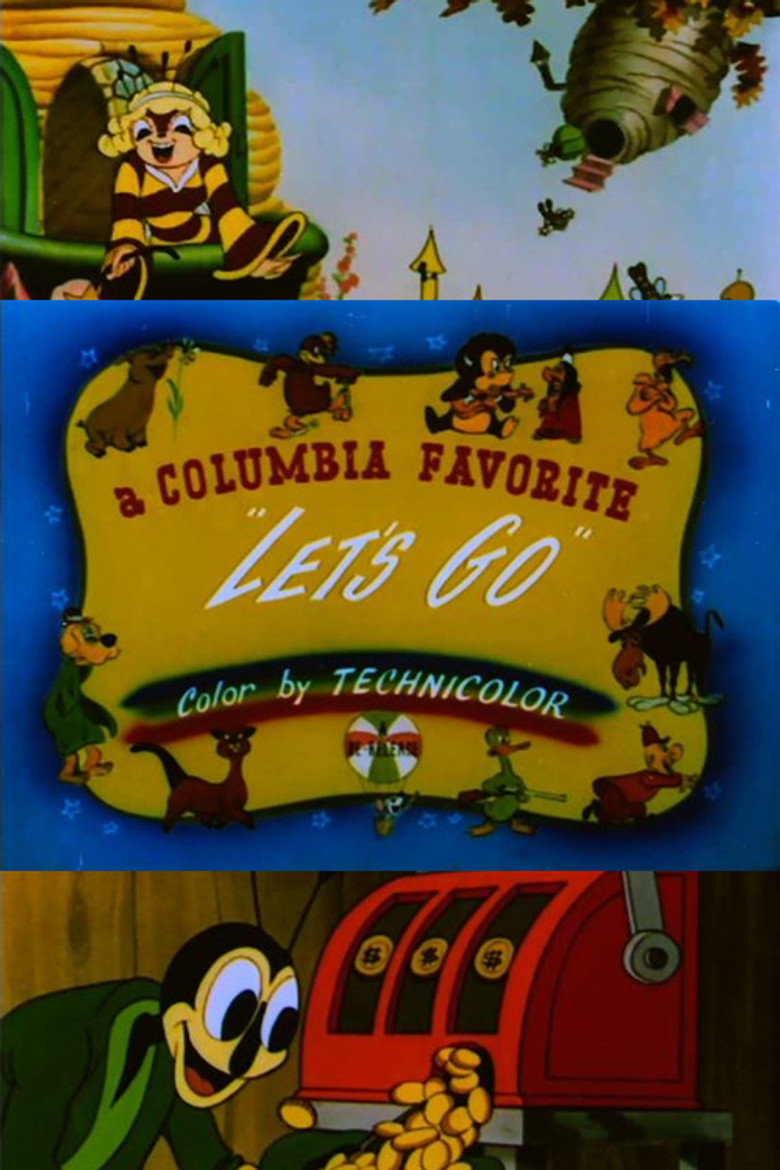
1937
ApprovedDirector
Arthur Davis
Runtime
7 minutes
Average Rating
No ratings yetSynopsis
One of the it-takes-a-villageism cartoons with a message in which a happy-and-prosperous village of honeybees goes to the aid of a village of starving grasshoppers, by dropping honey bombs and food to the stricken bug community. Prosperity returns and all the world citizens are happy again. Although, in the real world it was usually the grasshoppers and locusts that caused most of the famine problems to begin with, and didn't leave anything for the bees to make honey from.
Overall Score
Limited
Category Breakdown
LGBTQ+ Representation
The film lacks any evidence of non-cisnormative identities or same-sex intimacy. The focus remains strictly on communal insect interactions.
Gender Representation
Character roles appear to follow traditional 1930s social structures. There is no indication of subversive gendered power dynamics or unique arcs.
Racial & Ethnic Diversity
Species serve as allegorical proxies for socioeconomic disparity between bees and grasshoppers. The film maintains a traditional provider and recipient dynamic.
Religious & Cultural Diversity
The story promotes communal altruism by showing prosperous bees aiding starving grasshoppers. However, it avoids systemic critiques in favor of a restorative moral conclusion.
Disability Representation
There is no information available regarding the depiction of physical or neurodivergent traits in this animation.
Strengths
Areas for Improvement
AI Analysis
Let's Go (1937) functions as a moralizing fable centered on inter-community aid. While it moves away from individualist competition by highlighting collective support, the narrative remains rooted in the conventional social frameworks of its era. The film uses insect species to mirror socioeconomic differences, yet it fails to challenge the underlying causes of scarcity. Instead, it offers a simplified, harmonious resolution that restores a status quo of prosperity. Ultimately, the short lacks the intersectional depth or systemic critique necessary to move beyond a standard mid-century animated trope.
1961
1933
1933
1931

1937
1938
1948
1956
1938
No reviews yet. Be the first to share your thoughts on this movie!
Use the rating form above to leave a star rating and optional review.