
Ramji Londonwaley
2005
No user ratings available yet
Representation score: 3.9 out of 10
Representation Score
Limited
1993
Director
Rakesh Roshan
Runtime
171 minutes
Average Rating
No ratings yetNew Showbiz Analysis
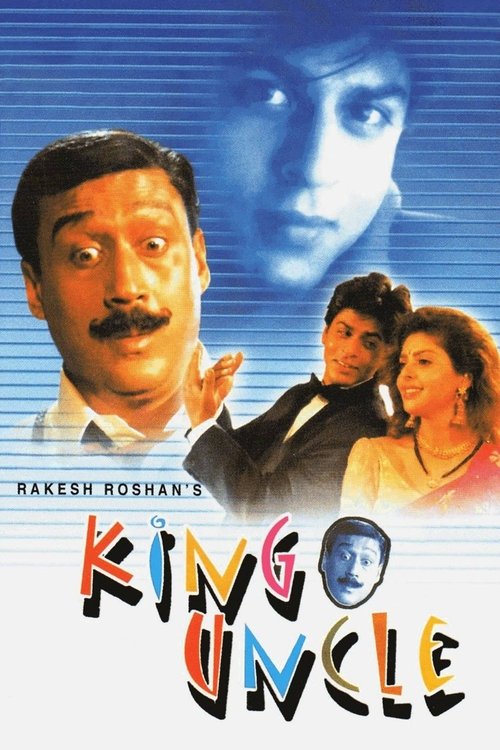
King Uncle is a conventional commercial film that emphasizes themes of upward mobility and family duty. The protagonist's journey from poverty to wealth highlights the psychological impact of economic hardship. While the film touches on social issues such as the conflict between financial success and family values, it does so through a restorative lens that upholds traditional social norms of the early 1990s Indian cinema.
Category Breakdown
The film does not include any LGBTQ+ characters or explore non-cisgender identities.
The story focuses on the male protagonist's career and personal growth, without challenging traditional gender roles or domestic expectations.
The film features a predominantly South Asian cast, presenting a culturally specific narrative without blending different cultural backgrounds.
The narrative examines the tension between capitalist success and traditional family values, reinforcing meritocratic ideals without questioning broader social or capitalist systems.
There are no characters with physical or neurodivergent disabilities featured in the film.
Present on Screen
Limited or Absent
Official Synopsis
Ashok Bansal has a traumatic childhood which teaches him that money matters most to people, even more than their kids. Ashok starts hating poor people & starts working hard to get out of poverty, at the expense of his own family. However, Ashok’s life changes forever when Munna enters his life.
2005
2006
2010
1992

2010
1997

2003

2023
No reviews yet. Be the first to share your thoughts on this movie!
Use the rating form above to leave a star rating and optional review.