
Shaadi No. 1
2005
No user ratings available yet
Representation score: 1.5 out of 10
Representation Score
Limited
2006
Not RatedDirector
Priyadarshan
Runtime
165 minutes
Average Rating
No ratings yetNew Showbiz Analysis
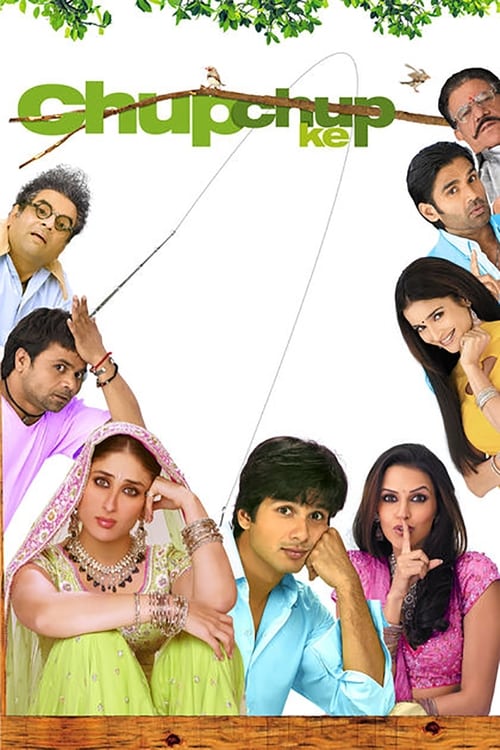
Chup Chup Ke is a quintessential mid-2000s Bollywood slapstick comedy that prioritizes genre clichés over social critique. The narrative relies heavily on traditional hierarchies, with male characters driving the conflict and resolution through situational irony and mistaken identity. The film lacks depth in representing multiple aspects of identity, offering no representation for LGBTQ+ identities and treating disability as a mere plot convenience for deception. While it reflects the cultural milieu of its era, it does not engage with systemic critiques or diverse lived experiences. Ultimately, the film functions as a commercial entertainer that reinforces established social norms rather than challenging them.
Category Breakdown
The film operates within a strictly heterosexual and cisgender framework. There are no representations of LGBTQ+ identities or non-assuming gender matches what was assigned at birth characters.
Comedic momentum is driven by male characters through physical humor and deception. Female characters primarily serve as romantic catalysts rather than driving the plot independently.
The cast is culturally homogeneous, reflecting the specific milieu of its intended audience. It does not actively challenge ethnic hierarchies.
Deception and social maneuvering are used as comedic devices to navigate debt. Traditional social decorum is reinforced through the chaos of these breaches.
The protagonist's pretense of being mute serves as a primary plot device. This use of simulated disability functions as a tool for deception rather than a nuanced exploration.
Present on Screen
Limited or Absent
Official Synopsis
After surviving a suicide attempt in which his family and fellow villagers believe he drowned, a debt-ridden man decides to start his life afresh in another village. He pretends to be mute and starts working for a rich man where he falls in love with his mute daughter.
2005

2006
2007

2006

2010
2014

2013
2006
No reviews yet. Be the first to share your thoughts on this movie!
Use the rating form above to leave a star rating and optional review.