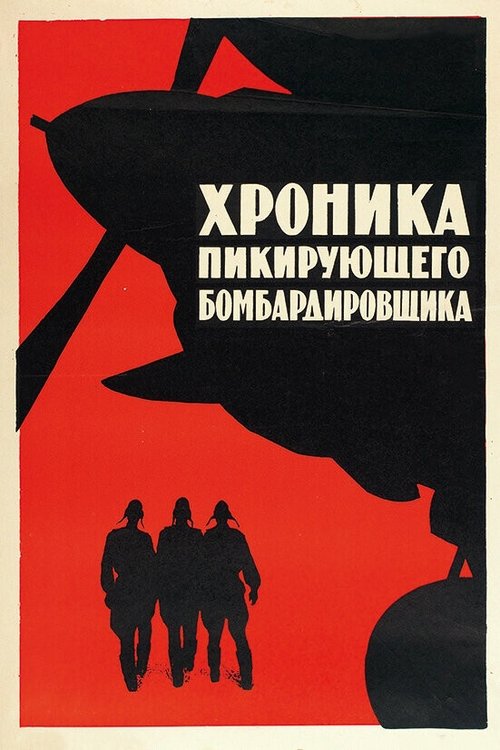
A Diving Bomber Chronicle
1968
No user ratings available yet
Representation score: 2.9 out of 10
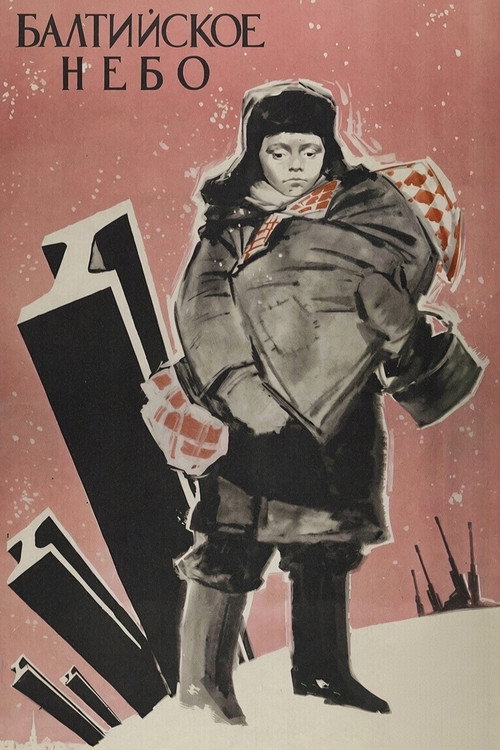
Representation Score
Limited
1960
Director
Vladimir Vengerov
Runtime
172 minutes
Average Rating
No ratings yetNew Showbiz Analysis
Baltic Skies is a product of Soviet Socialist Realism, designed to reinforce national identity through traditional hierarchies. The film prioritizes the collective struggle of the Leningrad blockade over individual identity politics. The narrative structure is heavily focused on gender, centering on male-dominated military aviation and command structures. This focus limits the scope of ability to act to masculine figures like Lunin and Rassokhin. Ultimately, the film serves as a historical document of wartime necessity. It reinforces conventional social expectations and state-sanctioned values rather than exploring diverse perspectives.
Category Breakdown
The film does not include any LGBTQ+ characters or narratives that go beyond the assumption that everyone is straight or cisgender. It follows traditional heroic structures from 1960s Soviet cinema.
Men play the key roles in leadership and combat, with most of the ability to act centered around male pilots and military commanders. Women are mostly mentioned as city residents but are not shown in leadership positions.
The cast mainly consists of Slavic actors reflecting the demographics of the Leningrad front. There is no indication of multi-ethnic casting or intentional racial diversity.
The story emphasizes patriotism and collective sacrifice within the context of the Soviet state. It focuses on defending the motherland and upholding state-aligned values.
Physical injuries are portrayed as symbols of wartime sacrifice. There is no detailed exploration of neurodivergence or chronic illness.
Present on Screen
Limited or Absent
Official Synopsis
The end of August 1941. At night, a truck rushes along the last road not yet occupied by the enemy to Leningrad. In the back of two — civil aviation pilot Lunin and commissar of the air division Uvarov. Lunin, a man no longer young, experienced, but had not yet been in battle, was sent to the legendary squadron of fighter pilots under the command of Captain Rassokhin. This squadron fought from the first day of the war and has already lost most of its composition.
1968
1974
2019
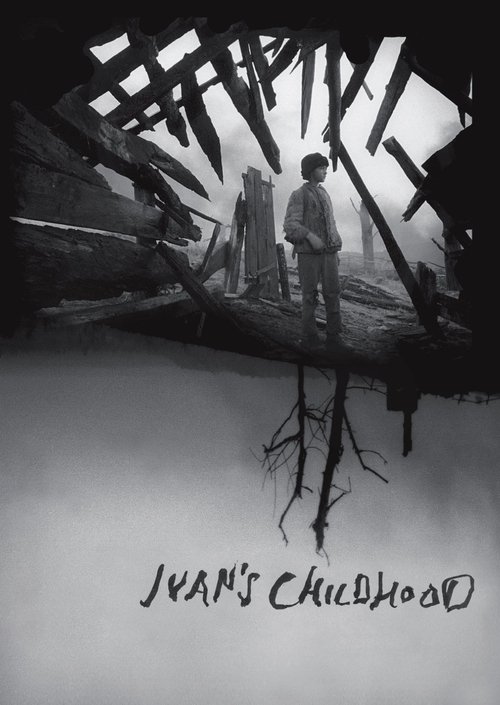
1962
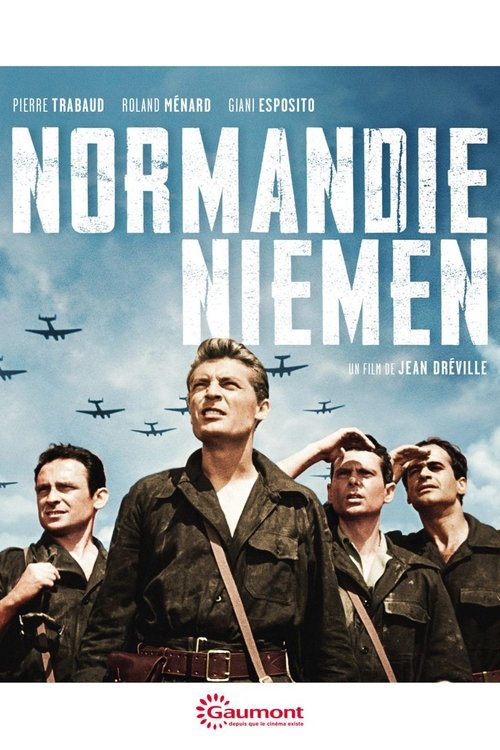
1960
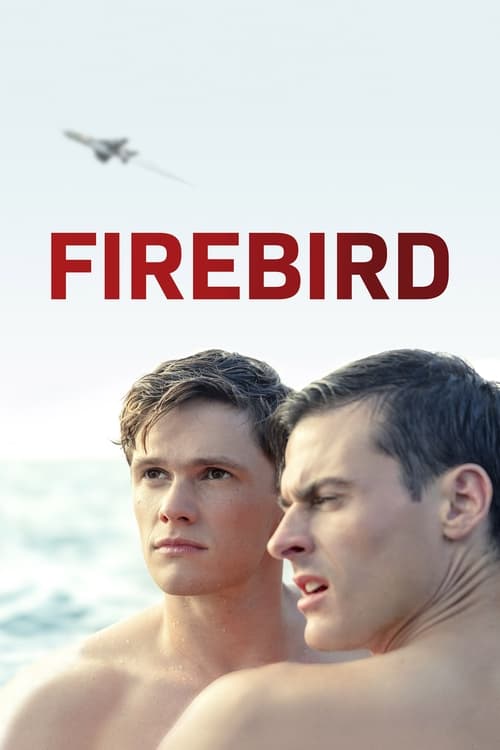
2021
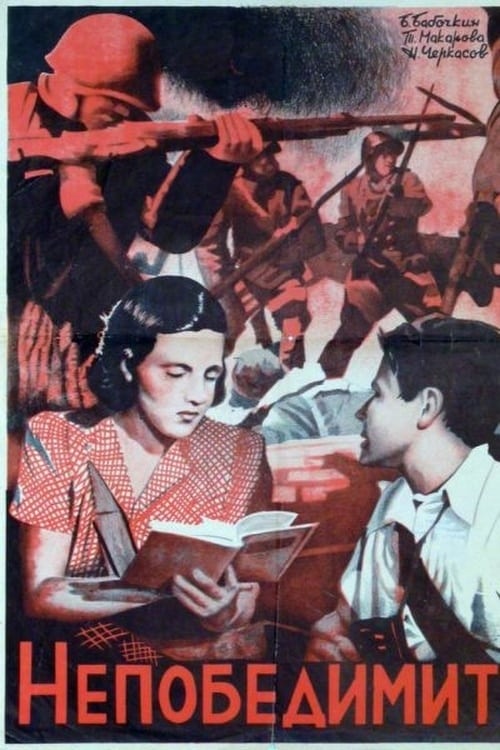
1943
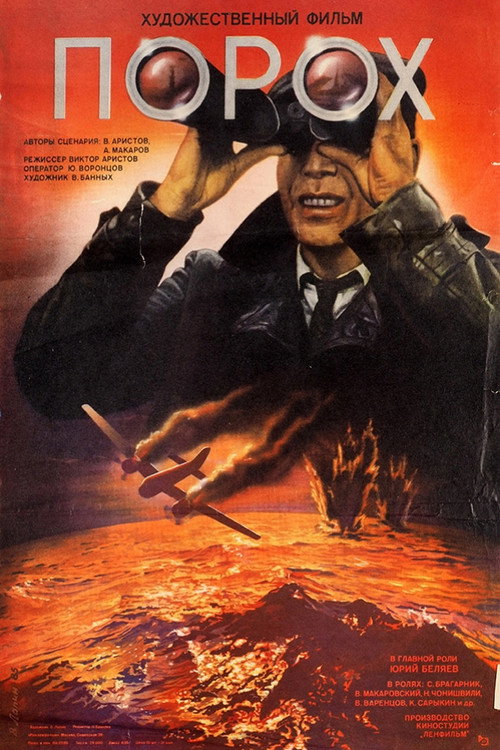
1985
No reviews yet. Be the first to share your thoughts on this movie!
Use the rating form above to leave a star rating and optional review.