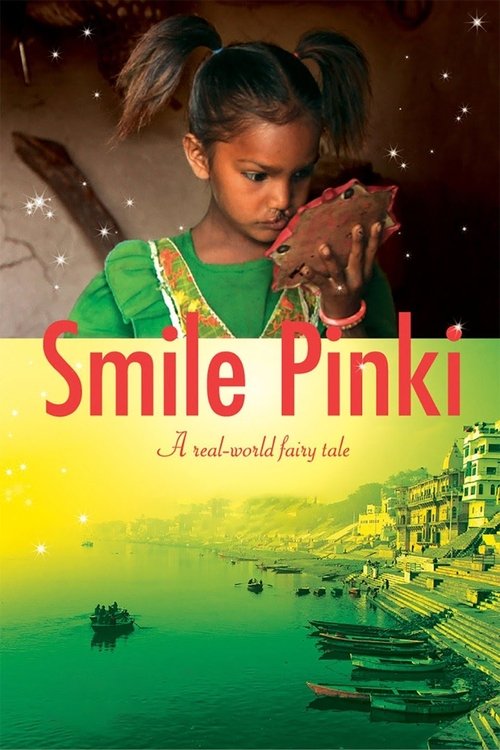
Smile Pinki
2008
No user ratings available yet
Diversity score: 6.3 out of 10
No Poster Available
2007
Director
Mary Olive Smith
Runtime
85 minutes
Average Rating
No ratings yetSynopsis
"A Walk to Beautiful" tells the story of five women in Ethiopia suffering from devastating childbirth injuries. Rejected by their husbands and ostracized by their communities, these women are left to spend the rest of their lives in loneliness and shame. The trials they endure and their attempts to rebuild their lives tell a universal story of hope, courage, and transformation.
Overall Score
Good
Category Breakdown
LGBTQ+ Representation
The film focuses on heteronormative domestic structures. There are no characters or narratives exploring non-heteronormative identities.
Gender Representation
The documentary critiques traditional gender hierarchies by showing how women's value is tied to reproductive capacity. It portrays the patriarchal family unit as a source of instability.
Racial & Ethnic Diversity
Centering the Ethiopian experience, the film provides deep agency to women of color. They drive the narrative through personal testimony rather than serving as passive subjects.
Religious & Cultural Diversity
The narrative frames traditional social institutions as oppressive forces. It suggests that shame and loneliness are products of rigid cultural expectations rather than individual failings.
Disability Representation
The film centers on women living with significant physical disabilities from childbirth injuries. It provides a nuanced look at the intersection of physical impairment and social identity.
Strengths
Areas for Improvement
AI Analysis
A Walk to Beautiful is a powerful social documentary that centers on the intersection of medical trauma and systemic social abandonment. By focusing on Ethiopian women, it avoids the Western gaze, granting the subjects agency through their own testimonies. The film excels in its intersectional approach, specifically linking physical disability to the loss of social agency. It effectively deconstructs how traditional communal and patriarchal structures fail vulnerable individuals. While the film lacks LGBTQ+ representation, its strength lies in its profound critique of gendered expectations and the cultural pressures that marginalize women after physical injury.
2008
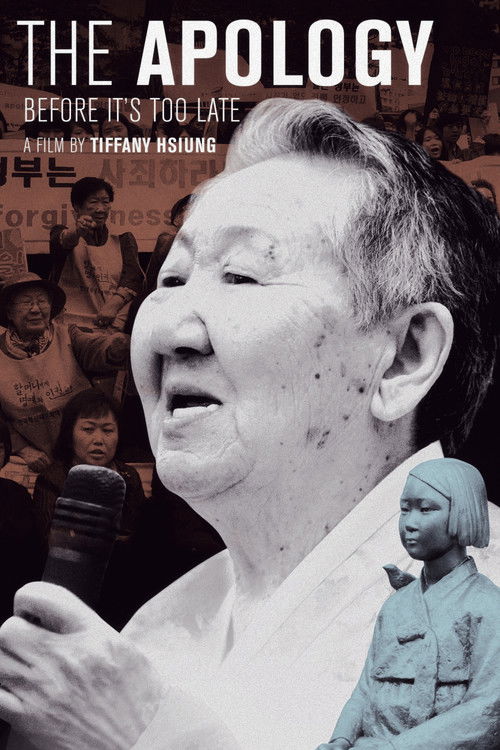
2016
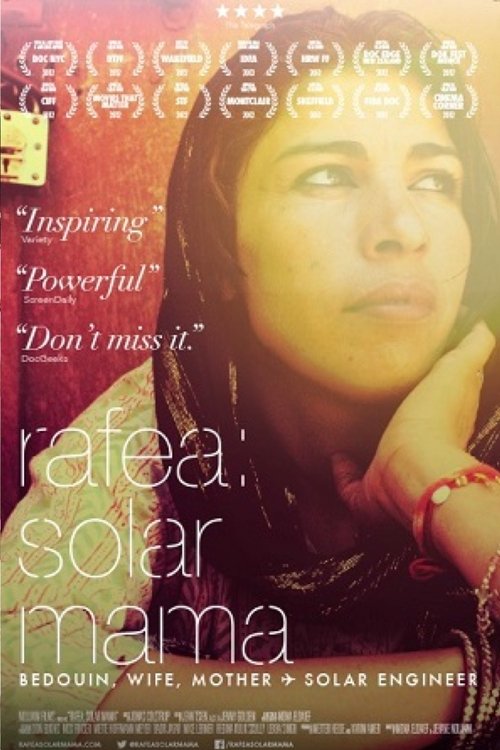
2012
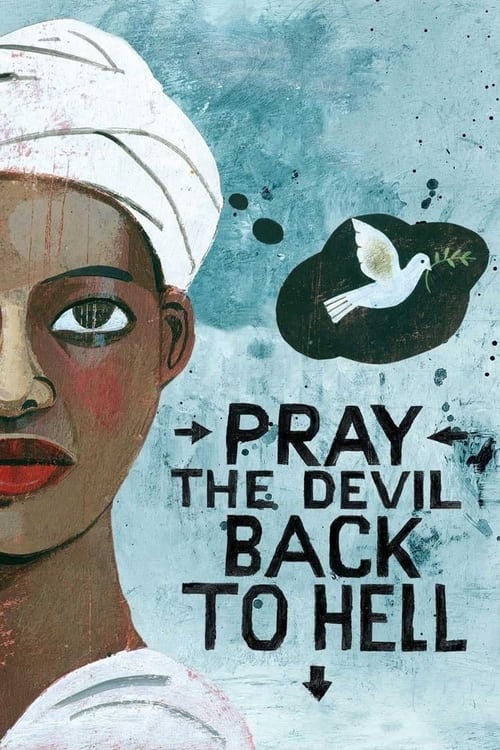
2008
2006
2005
2006
2014

2019
2017
2020

2012
No reviews yet. Be the first to share your thoughts on this movie!
Use the rating form above to leave a star rating and optional review.