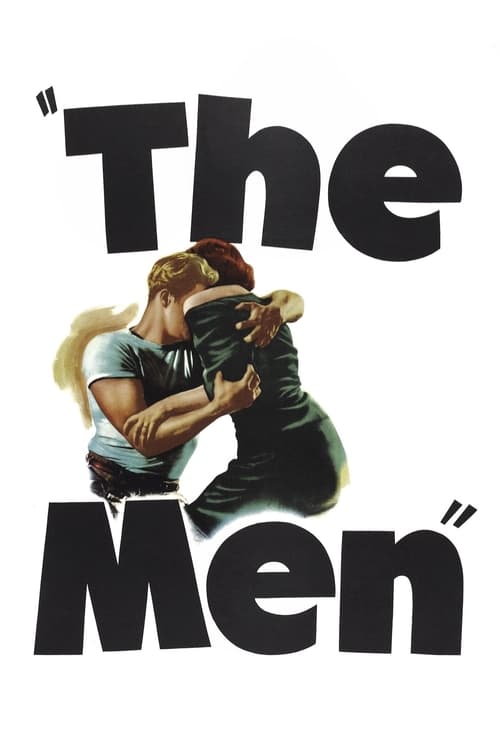
The Men
1950
No user ratings available yet
Representation score: 2.8 out of 10

Representation Score
Limited
1952
ApprovedDirector
Owen Crump
Runtime
21 minutes
Average Rating
No ratings yetNew Showbiz Analysis
One Who Came Back is a quintessential product of its era, prioritizing mid-century social norms and traditional storytelling. The narrative is built around a male-centric struggle for survival and the restoration of a conventional domestic life. The film reinforces established hierarchies, particularly regarding gender and race. It presents a homogeneous view of society that centers on Western values and the sanctity of the nuclear family, offering little room for diverse perspectives. While the protagonist’s physical injury provides a central conflict, the portrayal remains rooted in medical necessity. It functions more as a hurdle for the hero to overcome than a nuanced exploration of life with a disability.
Category Breakdown
The film does not include any LGBTQ+ characters or individuals whose gender does not match their assigned-at-birth identity. It strictly follows traditional social structures without any hints of alternative sexual orientations or gender identities.
Gender roles are traditional and hierarchical. The story revolves around the male protagonist’s struggle, while women play secondary, supportive roles within the domestic sphere.
The production reflects the demographic homogeneity of the early 1950s. There is no indication of diverse ethnic identities within the central narrative.
The story emphasizes Western values such as patriotism and the nuclear family. It upholds traditional institutions without questioning them.
Physical trauma serves as a plot device for survival. The focus remains on medical recovery and regaining functionality rather than exploring the individual's ability to make choices.
Present on Screen
Limited or Absent
Official Synopsis
US Army Corporal George Kritzman recounts the aftermath of what was his third combat wounding in the Korean War. A former LA police officer, Kritzman was under heavy sedation due to the severity of his leg injury, which was initially operated on at the 8055 MASH unit. Unaware of what would happen to him and what his long term prognosis was and would be, he, along with many of his fellow wounded, was transferred from hospital to hospital, each a little better equipped to deal with his injury. However, his ultimate goal was to make it back home to his wife and son, from who his thoughts were never far.
1950
1946
1949
1971
1945
1978
1963

2014
No reviews yet. Be the first to share your thoughts on this movie!
Use the rating form above to leave a star rating and optional review.