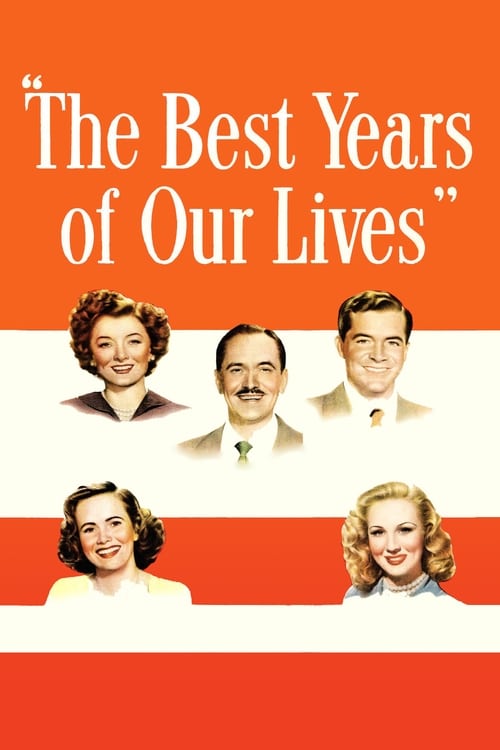
The Best Years of Our Lives
1946
No user ratings available yet
Diversity score: 4.2 out of 10

1978
RDirector
Hal Ashby
Runtime
127 minutes
Average Rating
No ratings yetSynopsis
In 1968 California, a Marine officer's wife falls in love with a former high school classmate who suffered a paralyzing combat injury in the war.
Overall Score
Fair
Category Breakdown
LGBTQ+ Representation
The film lacks LGBTQ+ characters or non-heteronormative identities. All romantic conflicts are framed within a strictly heteronormative context.
Gender Representation
The narrative subverts the submissive wartime wife archetype by granting the female protagonist significant emotional and sexual agency. It explores the friction between traditional domestic roles and individual autonomy.
Racial & Ethnic Diversity
The cast and setting are predominantly white and middle-class. The film maintains a homogeneous demographic focus without engaging in intersectional racial dynamics.
Religious & Cultural Diversity
The story offers a sharp critique of the military-industrial complex and the traditional nuclear family. It deconstructs heroic military archetypes by focusing on the devastation of war.
Disability Representation
The film avoids sentimentalism by focusing on the unglamorous reality of paralysis. It treats disability as a central element of lost agency rather than a mere plot device.
Strengths
Areas for Improvement
AI Analysis
Coming Home is a character-driven drama that prioritizes the deconstruction of mid-century American values over broad demographic representation. It excels at challenging institutional norms, particularly regarding gender roles and the psychological impact of war. While the film is progressive in its critique of the military and its portrayal of female agency, it remains limited by a lack of racial and LGBTQ+ diversity. The narrative focuses almost exclusively on a white, middle-class experience. Ultimately, the film's strength lies in its sophisticated thematic architecture. It replaces traditional tropes of heroism and domesticity with a complex look at trauma, autonomy, and systemic failure.
1946

1982

2019

1940

1971

1989
1996

2009

1994

1983

1978

2012
No reviews yet. Be the first to share your thoughts on this movie!
Use the rating form above to leave a star rating and optional review.