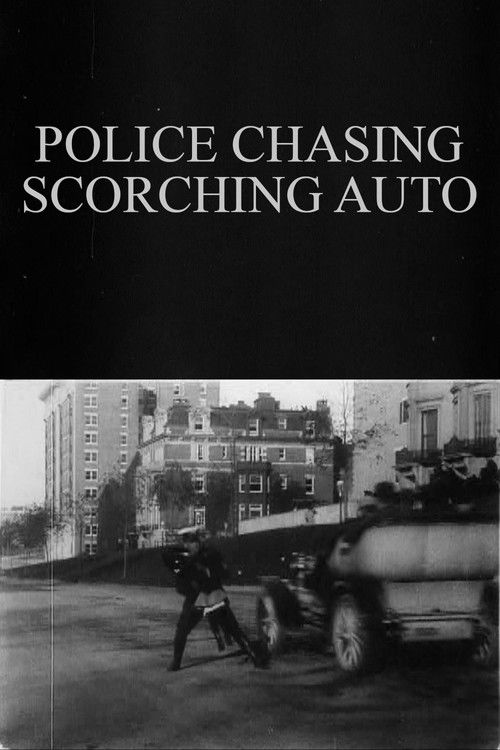
Police Chasing Scorching Auto
1906
No user ratings available yet
Representation score: 0.5 out of 10
Representation Score
Minimal
1905
Director
Edwin S. Porter
Runtime
10 minutes
Average Rating
No ratings yetNew Showbiz Analysis
Edwin S. Porter’s early work primarily serves as a technical demonstration of cinematic editing rather than a platform for social commentary. The film relies heavily on established genre clichés from the early 20th century, such as the 'outlaw versus authority' dynamic. Given the early stage of cinema, the narrative does not explore complex social hierarchies or multi-layered identities. The focus remains on the action-comedy parody of a train robbery. Overall, the film reflects the limited demographic scope and narrow narrative focus typical of the silent era, lacking progressive representation or disruption of conventional social norms.
Category Breakdown
The film does not include any LGBTQ+ characters or non-cisgender identities. The story revolves around a traditional action-comedy setup without any queer subtext.
The cast is mainly male, featuring bandits and railway workers. Women do not have prominent roles or challenge male leadership.
The film has a homogeneous cast typical of early silent era crime parodies. There is no evidence of non-white actors or ethnic diversity.
The story follows conventional Western themes using standard outlaw clichés. It does not challenge the prevailing social order or promote anti-Western sentiments.
There are no visible or invisible disabilities shown. Characters are depicted solely based on their roles as bandits or police officers.
Present on Screen
Limited or Absent
Official Synopsis
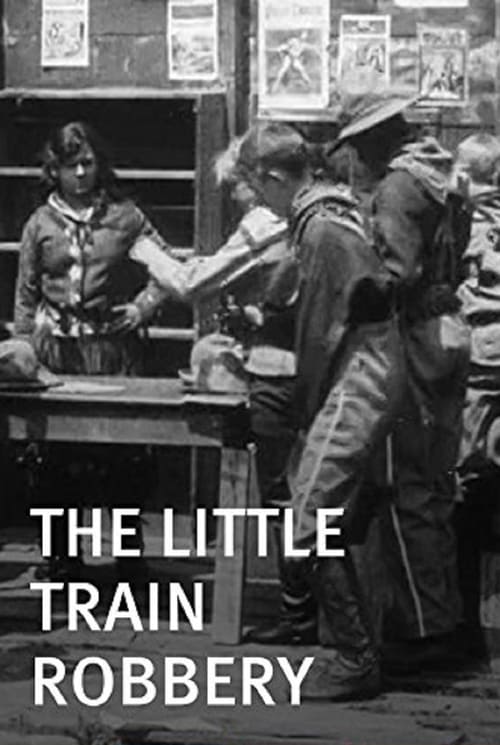
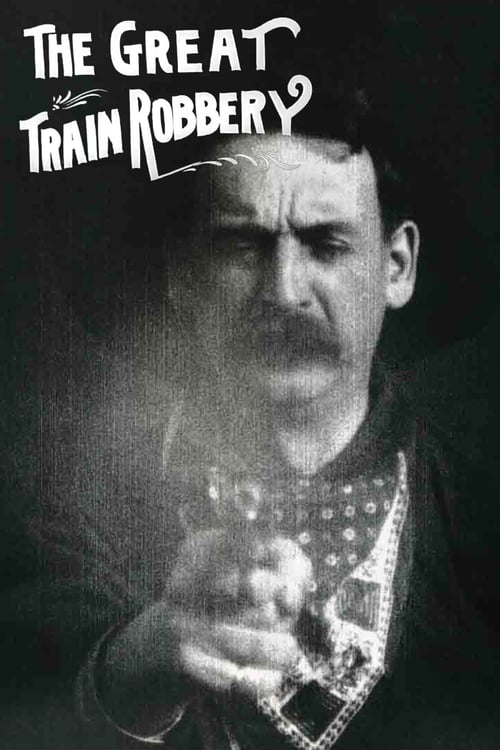
In this parody of 1903's "Great Train Robbery", also made by Edwin S. Porter, young bandits rob the passengers of a kiddie train and are chased by police officers.
1906
1972
1903
1969
1919
1971
1933
1938
No reviews yet. Be the first to share your thoughts on this movie!
Use the rating form above to leave a star rating and optional review.