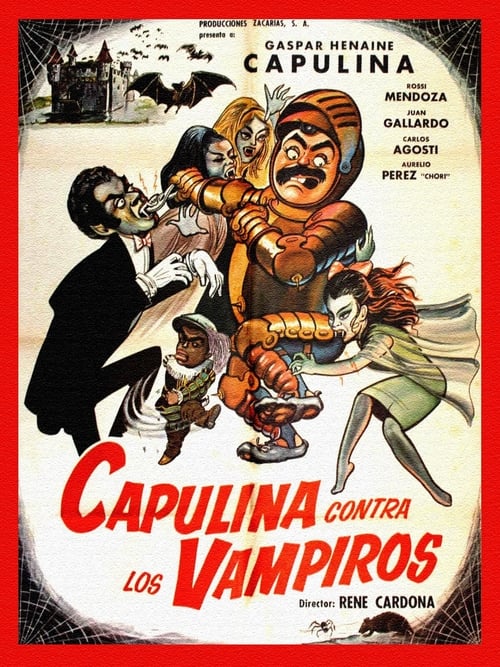
Capulina vs. the Vampires
1971
No user ratings available yet
Representation score: 3.7 out of 10
Representation Score
Limited
1963
Director
Alfredo B. Crevenna, Alberto Mariscal
Runtime
100 minutes
Average Rating
No ratings yetNew Showbiz Analysis
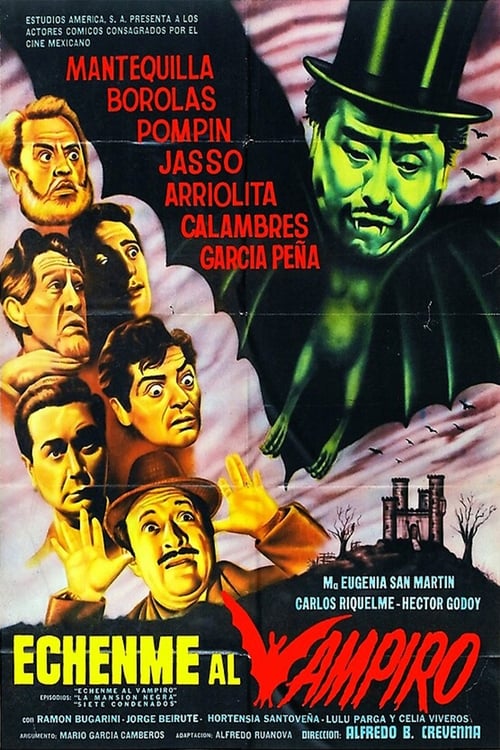
Bring Me the Vampire is a typical genre piece reflecting the social and cinematic norms of 1960s Mexican horror-comedy. It prioritizes traditional storytelling and archetypal characters over diverse identities. The film sticks to well-established narrative frameworks, focusing on mystery and supernatural themes. While it offers ethnic diversity due to its cultural origins, it does not challenge racial or social hierarchies. Ultimately, the work embodies the conventions of its time, reinforcing the period's traditional social structures and gendered archetypes.
Category Breakdown
The film follows the straight-centered norms of 1960s Mexican cinema. There is no depiction of diverse gender identities or same-sex relationships.
The characters adhere to classic genre archetypes, such as the mysterious housekeeper. The film upholds traditional gender roles typical of mid-century mystery-comedy films.
As a Mexican production, the cast is primarily made up of non-Anglo-Saxon actors. However, the film maintains social structures that are uniform and consistent with the era's cinematic traditions.
The storyline focuses on traditional inheritance and social hierarchies. It emphasizes the importance of the family unit without challenging established institutions.
There is no mention of characters with visible or invisible disabilities. No information is available regarding neurodivergence or physical disabilities.
Present on Screen
Limited or Absent
Official Synopsis
A group of would-be beneficiaries gather for the reading of a will, and discover that they must spend the night in a spooky castle to gain their inheritance. A spooky housekeeper and a man who seems to be a vampire are just two of the obstacles that might deter them.
1971
1964
1969
1932
1946
1964
1963

1949
No reviews yet. Be the first to share your thoughts on this movie!
Use the rating form above to leave a star rating and optional review.