The Killing of a Sacred Deer
2017
No user ratings available yet
Representation score: 4.3 out of 10
Representation Score
Fair
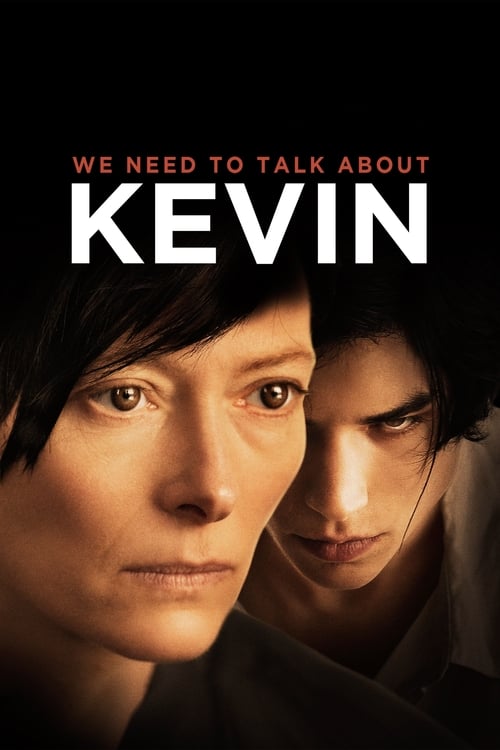
2011
RDirector
Lynne Ramsay
Runtime
113 minutes
Average Rating
No ratings yetNew Showbiz Analysis
Lynne Ramsay’s film is a sophisticated psychological study that excels at deconstructing traditional domestic hierarchies. It succeeds most in its subversion of gendered expectations, particularly by challenging the idealized image of the 'perfect mother' through Eva's complex resentment. However, the film is notably narrow in its demographic scope. The lack of racial and LGBTQ+ diversity confines the narrative to a very specific, homogeneous social experience. Ultimately, the film's strength lies in its refusal to offer simple moral answers, opting instead for a fragmented and challenging exploration of identity and responsibility.
Category Breakdown
The film focuses solely on a heterosexual relationship and does not include any LGBTQ+ identities or non-cisgender perspectives. There is no depiction of queer relationships or non-traditional gender roles.
Eva's character challenges the nurturing mother stereotype by showing deep detachment and resentment. Her intuition is pitted against a dismissive, ineffective father figure.
The story centers around a homogeneous, white, middle-class British family. It lacks diverse ethnic representation, staying within a specific Western domestic context.
The film breaks down the traditional nuclear family, presenting it as a source of trauma rather than stability. It explores moral ambiguity through the lens of parental guilt.
The narrative provides a harsh look at severe psychological issues and sociopathy. It avoids clichés by depicting neurodivergence as a source of destruction rather than empathy.
Present on Screen
Limited or Absent
Official Synopsis
After her son Kevin commits a horrific act, troubled mother Eva reflects on her complicated relationship with her disturbed son as he grew from a toddler into a teenager.
2017
1964

2011

2006
2013
1977
2013
2004
No reviews yet. Be the first to share your thoughts on this movie!
Use the rating form above to leave a star rating and optional review.