
The Stepfather
2009
No user ratings available yet
Representation score: 2.0 out of 10
Representation Score
Fair
2013
RDirector
Park Chan-wook
Runtime
99 minutes
Average Rating
No ratings yetNew Showbiz Analysis
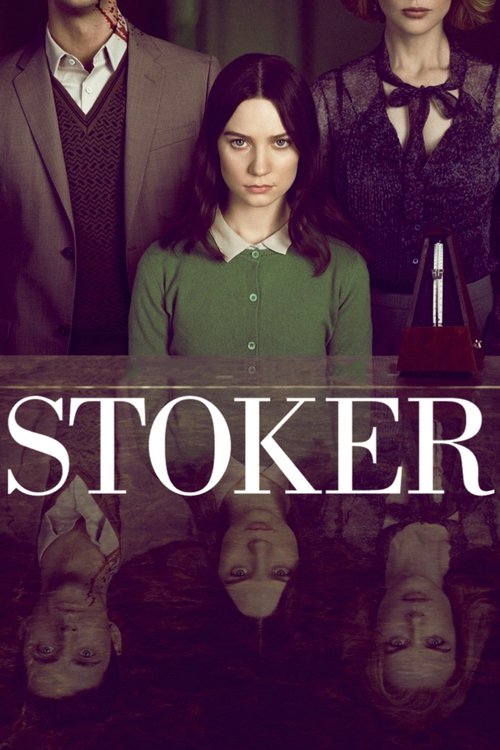
Stoker is a stylized gothic thriller that emphasizes psychological transformation over broad social representation. Its strength lies in its sophisticated subversion of gender power dynamics, shifting the female protagonist from a passive victim to an active, calculating driver of the plot. However, the film remains demographically narrow, confined to a homogeneous, upper-class environment, and lacks any meaningful inclusion of LGBTQ+ identities or characters with disabilities. While it challenges moral and gender norms, it does so within a very limited social scope.
Category Breakdown
The film focuses solely on heterosexual relationships and does not depict any non-cisgender identities or same-sex intimacy.
India transforms from a vulnerable character to a powerful predator, subverting the damsel cliché. The film also avoids the traditional maternal figure by presenting Evelyn as a complex, unstable character.
The film is set in a secluded, upper-class environment where the cast and setting are predominantly white, reflecting a homogeneous demographic profile.
The narrative uses moral relativism to frame the protagonist's dark actions with aesthetic beauty. It portrays the traditional family structure as unstable.
Psychological instability and emotional volatility drive the horror elements, but these traits are not explored as nuanced representations of neurodivergence or disability.
Present on Screen
Limited or Absent
Official Synopsis
Following her father Richard's death in an unexplained road accident, reclusive teenager India Stoker withdraws further into the quiet rural life she shares with her emotionally disturbed mother Evie. But her curiosity is stirred when her mysterious uncle Charlie, who she has never met, suddenly arrives unannounced. Told that the darkly charismatic Charlie will now be staying at the house, India's initial well-founded distrust of her uncle's motivations begins to waver as she finds herself becoming ever more deeply entranced by his sinister charms.
2009
1956

2018
1964
2022
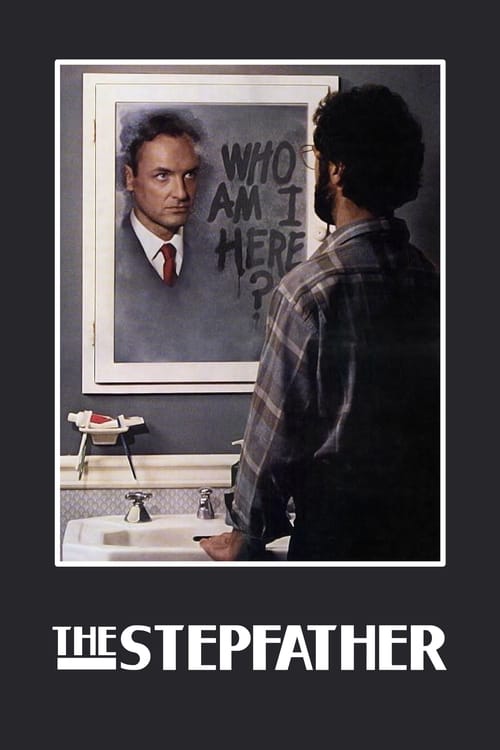
1987

2020

2012
No reviews yet. Be the first to share your thoughts on this movie!
Use the rating form above to leave a star rating and optional review.