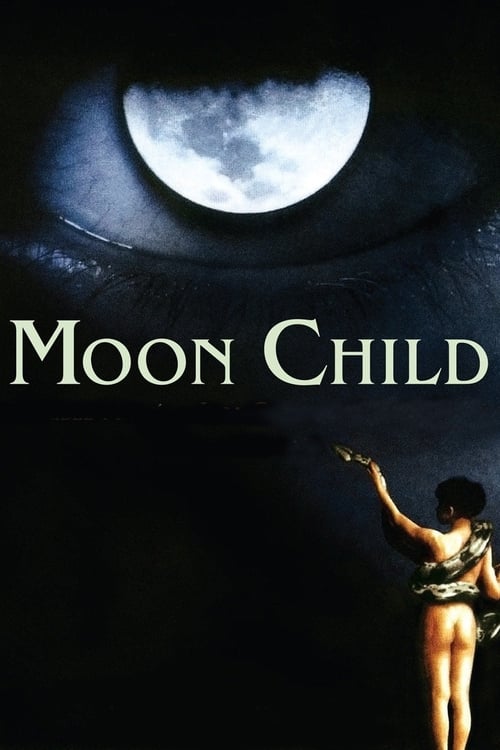
Moon Child
1992
No user ratings available yet
Diversity score: 6.7 out of 10

2007
Director
Eric Leiser
Runtime
72 minutes
Average Rating
No ratings yetSynopsis
Dr. Reineger, a famous neuro-psychologist, has become convinced that a twin girl named Anna has a rare form of Autism called Asperger's Syndrome, rendering her unable to cope with reality. As for her blind sister, Sarah, the doctor cannot say for sure why her imaginary visions map so close to Anna's. At home, unable to face reality, their father leaves the family. To escape the pain, the girls sink deeper and deeper into their imagination. When a major earthquake takes their mother's life, Reineger gets more involved with helping the now-orphaned twins, while struggling with his realization that the girls seem to be capable of prophetic visions. The girls escape the doctor's institution and a subsequent search finds no trace of them. Have they transcended the physical realm? A mixture of live action, stop motion animation and other techniques makes this film a fantastic journey into the realm of imagination.
Overall Score
Fair
Category Breakdown
LGBTQ+ Representation
The film focuses on the bond between twin sisters and a neuro-psychologist. It contains no queer characters or explorations of LGBTQ+ themes.
Gender Representation
Young female protagonists drive the plot through their internal landscapes and visions. However, the story features a patriarchal void and a male authority figure.
Racial & Ethnic Diversity
The narrative centers on a specific domestic unit. There is no evidence of diverse racial casting or intersectional racial dynamics within the film.
Religious & Cultural Diversity
The film critiques Western institutionalism by prioritizing the girls' subjective truths over clinical reality. It also depicts a non-idealized, fractured family structure.
Disability Representation
Neurodivergence and blindness are central to the narrative. These traits are presented as transformative lenses rather than deficits to be cured.
Strengths
Areas for Improvement
AI Analysis
Imagination is a surrealist exploration of neurodivergence and sensory disability. It succeeds by treating the twins' Asperger's and blindness as engines for fantastical storytelling rather than mere medical conditions. This approach grants the protagonists significant agency and avoids common tropes of fragility. However, the film lacks demographic breadth. It offers no representation for LGBTQ+ or diverse racial identities, focusing instead on a narrow domestic lens. The gender dynamics are also somewhat traditional, relying on a male doctor as the primary authority figure. Ultimately, the film's strength lies in its sophisticated handling of identity through a non-normative psychological lens, even as it remains limited in its broader social representation.
No reviews yet. Be the first to share your thoughts on this movie!
Use the rating form above to leave a star rating and optional review.