
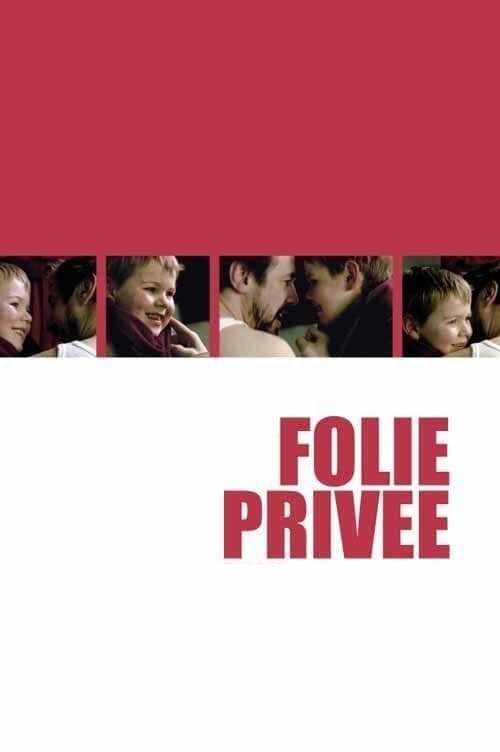
Private Property
2006
No user ratings available yet
Representation score: 7.2 out of 10
Representation Score
Limited
2004
Director
Joachim Lafosse
Runtime
67 minutes
Average Rating
No ratings yetNew Showbiz Analysis
Private Madness is a psychological exploration of domestic erosion that prioritizes raw realism over sentimentality. It dismantles the nuclear family, presenting it as a site of resentment and systemic dysfunction rather than a stable institution. However, the film lacks breadth in its social representation, remaining confined to a homogeneous European setting and a traditional straight-centered structure, with little engagement with diverse racial or LGBTQ+ identities.
Category Breakdown
The film focuses on a heterosexual relationship involving Pascale, Jan, and Didier. There is no evidence of LGBTQ+ subtext or non-cisgender identities in the story.
Pascale’s role as a strong character who challenges traditional maternal roles drives the plot. Her decision to leave her partner highlights fluid power dynamics rather than fixed gender hierarchies.
The story operates within a relatively homogeneous social framework. There is no evidence of a multi-ethnic cast or the integration of diverse racial identities.
The narrative critiques the Western family institution by depicting the home as a site of instability. It avoids idealized portrayals of parenthood and moral stability.
The synopsis does not mention any characters dealing with physical, sensory, or neurodivergent disabilities.
Present on Screen
Limited or Absent
Official Synopsis
Pascale leaves Jan to start a new life with Didier. Unwillingly, Jan accepts to get a babysitter for their seven year old son, Thomas. She leaves him at his family home where she now has to live with her new partner. But when Pascale comes to love with Didier, Jan is still there and refuses to leave the house and separate herself from her child. Very quickly, conflict explodes and in less than a day, the destiny of each character is turned upside down.
2006
2016

2012
2008
1994
1994

2011

2016
No reviews yet. Be the first to share your thoughts on this movie!
Use the rating form above to leave a star rating and optional review.