
Sangathamizhan
2019
No user ratings available yet
Diversity score: 4.7 out of 10
2023
Director
NS. Ponkumar
Runtime
144 minutes
Average Rating
No ratings yetSynopsis
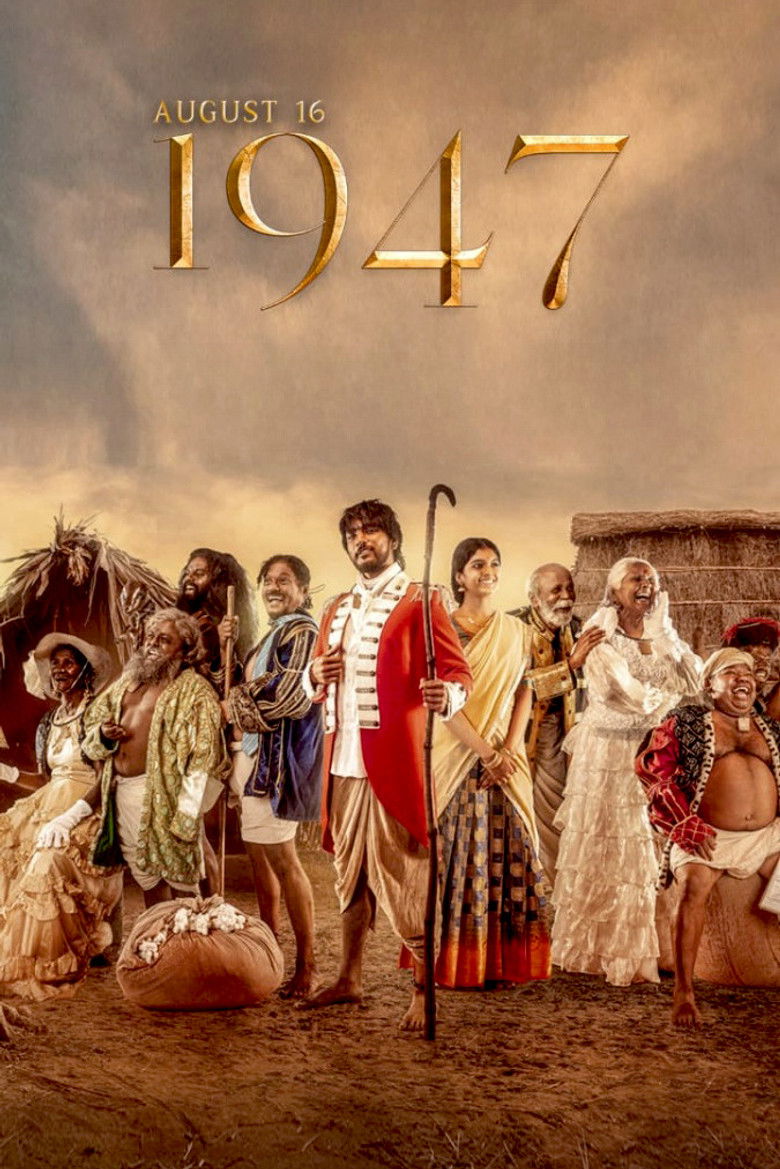
An atrocious British general is in charge of a secluded fictional village in pre-Independence Madras. Spanning in three days, from 14 August to 16 August 1947 and follows the illiterate and oppressed villagers’ lives as they fail to receive the news of India’s Independence due to isolation. A local lout, Param, leads a revolt to free them all.
Overall Score
Good
Category Breakdown
LGBTQ+ Representation
The film focuses strictly on the socio-political struggle of a village against colonial rule. There is no evidence of LGBTQ+ characters or narratives addressing non-heteronormative identities.
Gender Representation
The narrative centers on a male protagonist, Param, leading a revolt. Without specific details on female roles or the subversion of gender hierarchies, the film appears to follow traditional patriarchal structures.
Racial & Ethnic Diversity
The story deconstructs colonial hierarchies by positioning a British general as the antagonist. It centers on the agency of non-Western villagers reclaiming their identity from Anglo-centric dominance.
Religious & Cultural Diversity
The film challenges Western moral authority by portraying the British administration as atrocious. It frames grassroots rebellion and anti-authoritarianism as essential tools for liberation from the colonial state.
Disability Representation
There is no documented evidence regarding the inclusion of characters with physical or neurodivergent disabilities within the narrative.
Strengths
Areas for Improvement
AI Analysis
August 16, 1947 succeeds as a piece of post-colonial storytelling by shifting the historical lens from high-level politics to the lived experiences of the disenfranchised. By centering a secluded, illiterate village, the film effectively critiques the structures of imperial power and celebrates grassroots agency. However, the film's diversity is specialized. While it offers a robust critique of racial and cultural hegemony, it lacks visible representation for LGBTQ+ identities and provides little insight into gender dynamics beyond the male-led revolt. The narrative's focus remains heavily on the socio-political friction of the era.
2019
2026

1996
2007
1982
2011
2019
1997

2004
1995
2018
2013
No reviews yet. Be the first to share your thoughts on this movie!
Use the rating form above to leave a star rating and optional review.