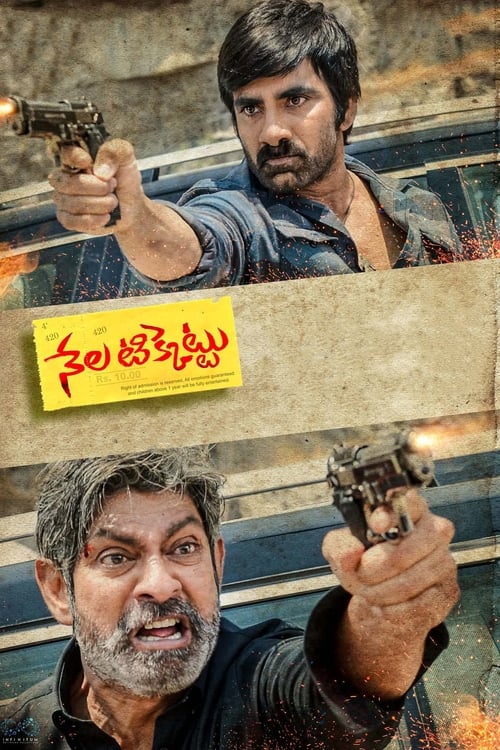
Nela Ticket
2018
No user ratings available yet
Representation score: 1.9 out of 10
Representation Score
Limited
1995
Director
T. L. V. Prasad
Runtime
161 minutes
Average Rating
No ratings yetNew Showbiz Analysis
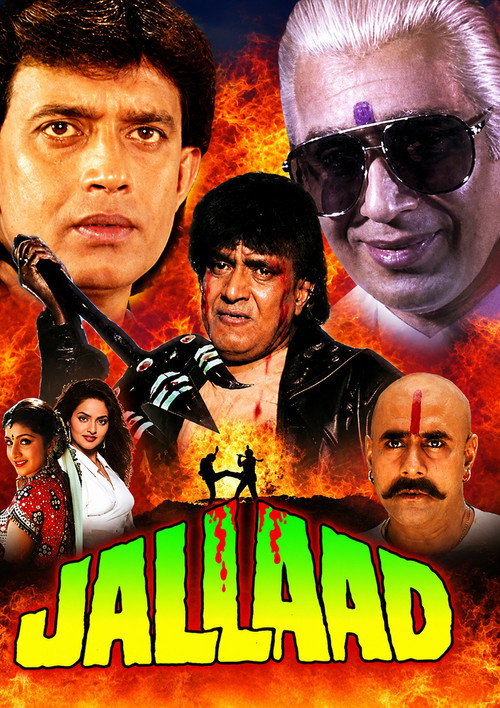
Jallaad is a conventional 1990s action-drama that prioritizes established genre clichés over progressive social exploration. The story focuses on a conflict between a corrupt politician and a underrepresented underdog, emphasizing individual ethics rather than systemic deconstruction. The film operates within the traditional frameworks of its era. While it addresses political corruption, it does so through a lens of personal morality rather than considering multiple aspects of identity or challenging social hierarchies. Ultimately, the representation remains within the standard bounds of mid-90s commercial Indian cinema, lacking significant diversity in gender, identity, or neurodivergent portrayal.
Category Breakdown
The film adheres to traditional social structures that assume everyone is straight or cisgender. There is no depiction of non-straight or non-cisgender identities or stories related to gender identity.
The story revolves around a male-centric power struggle between a politician and a male protagonist. It emphasizes traditional masculine power dynamics.
The cast is ethnically uniform, reflecting the typical demographic of its regional Indian context. It does not use ethnic diversity as a narrative tool.
The film examines political corruption through a standard moral framework. The conflict is driven by individual morality rather than a systemic critique of religion or capitalism.
A character is described as 'simple-minded,' which risks using cognitive differences as a plot device. This portrayal lacks nuanced representation of the character’s ability to act independently.
Present on Screen
Limited or Absent
Official Synopsis
An unscruplous politician enlists the help of a supposedly illiterate and simple-minded man to win an election
2018

2007
2005

2001
2011

2006
2013
2007
No reviews yet. Be the first to share your thoughts on this movie!
Use the rating form above to leave a star rating and optional review.