
Attagasam
2004
No user ratings available yet
Diversity score: 2.7 out of 10
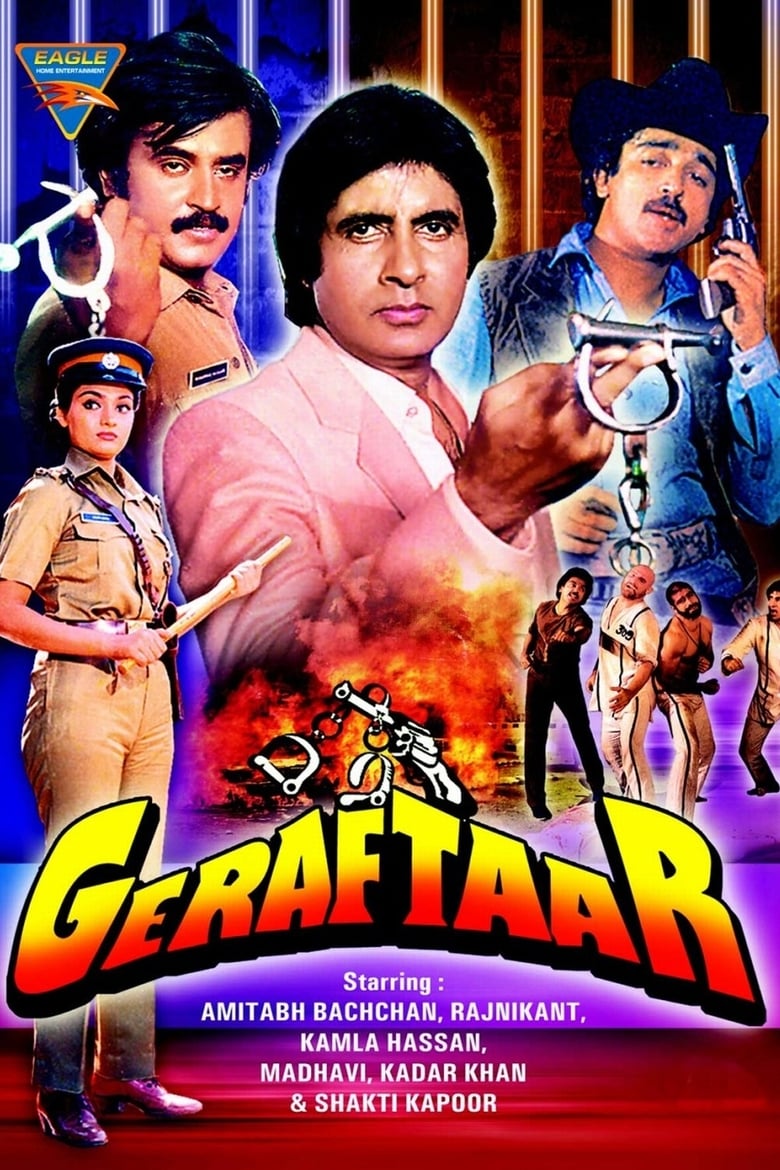
1985
Director
Prayag Raj
Runtime
167 minutes
Average Rating
No ratings yetSynopsis
Brothers Karan and Kishan are separated when Karan is framed for a murder, leading him to commit suicide. But, he is saved and grows up to become a cop. Years later, Kishan too is framed for a crime.
Overall Score
Limited
Category Breakdown
LGBTQ+ Representation
The film operates within standard heteronormative frameworks typical of 1985 action cinema. There are no visible LGBTQ+ characters or narratives that challenge traditional social norms.
Gender Representation
The story centers on masculine archetypes, specifically the bond between brothers and the pursuit of justice through a male cop archetype. It does not subvert traditional gender hierarchies.
Racial & Ethnic Diversity
The cast is ethnically homogeneous, reflecting the specific cultural market of the Indian film industry at the time. The narrative lacks diverse casting or race-bending elements.
Religious & Cultural Diversity
The plot follows a traditional moral binary of innocence versus corruption. It emphasizes respect for state authority and legal institutions rather than exploring secularism or moral relativism.
Disability Representation
The narrative focuses on the physical agency required for action-oriented storytelling. There is no evidence of characters with visible or invisible disabilities.
Strengths
Areas for Improvement
AI Analysis
Geraftaar is a conventional mid-80s action-drama that prioritizes genre tropes over progressive narrative architecture. The plot revolves around fraternal bonds and the reclamation of agency through law enforcement, reinforcing traditional masculine archetypes. The film adheres to the social hierarchies of its era, offering a standard moral binary. It lacks the intentionality needed to disrupt established tropes or provide intersectional representation, functioning instead as a straightforward genre piece.
2004
1994

2005

2005
1991

1995
1993

1989
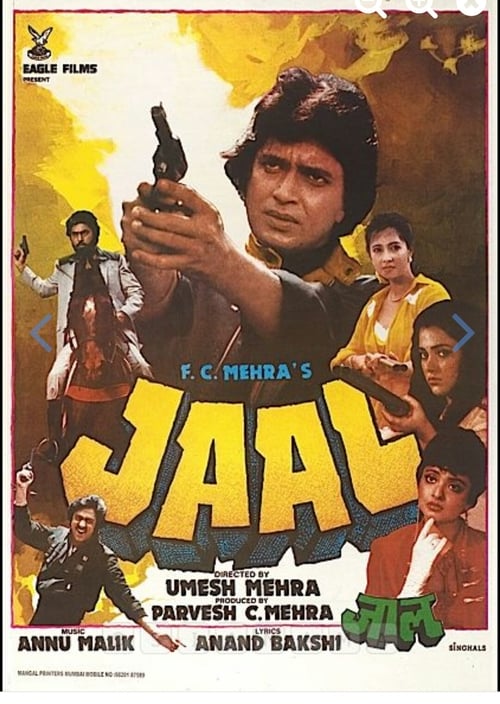
1986

2017

1993

2001
No reviews yet. Be the first to share your thoughts on this movie!
Use the rating form above to leave a star rating and optional review.