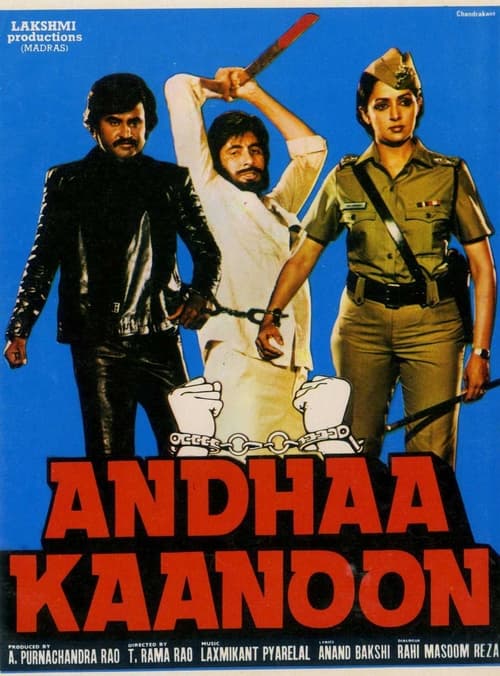
Andhaa Kaanoon
1983
No user ratings available yet
Representation score: 4.0 out of 10
Representation Score
Limited
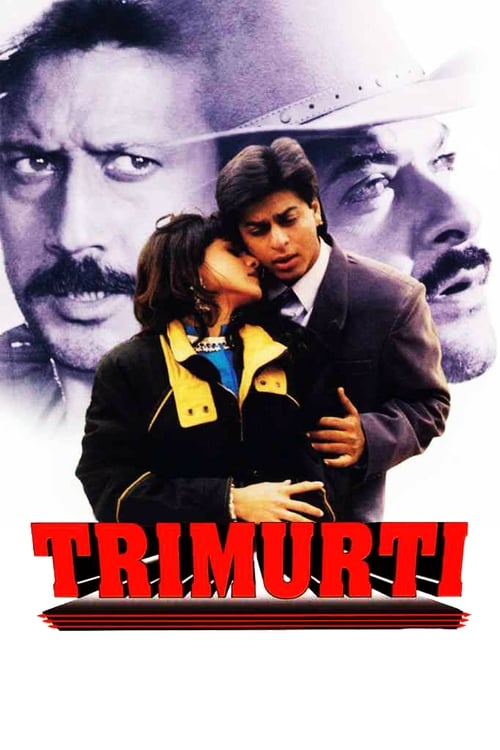
1995
Not RatedDirector
Mukul Anand
Runtime
187 minutes
Average Rating
No ratings yetNew Showbiz Analysis
Trimurti is a quintessential 90s masala action film that prioritizes high-octane heroism and familial melodrama. The narrative structure is built around traditional social hierarchies, focusing on the preservation of the family unit and the dominance of the heroic male archetype. The film lacks complexity, offering little challenge to established cultural norms. Instead, it leans into moral absolutism and stylized vigilantism, reinforcing conventional gender roles and patriarchal structures throughout the plot.
Category Breakdown
The film operates within a strictly straight-centered framework. There is no presence of non-assuming gender matches what was assigned at birth identities or same-sex intimacy in the narrative.
Satyadevi Singh serves as a moral anchor, yet her role is limited to being a victim and catalyst. The plot relies on male brothers to drive the action and justice.
The cast reflects a culturally homogeneous Indian production. It functions within a localized ethnic context without exploring blending of different backgrounds or diverse casting.
The story emphasizes patriarchal lineage and the sanctity of the family unit. It reinforces traditional social structures and moral order through a struggle against crime.
Characters are defined by physical prowess and violence. There is no discernible focus on neurodivergence or physical disability within the film's themes.
Present on Screen
Limited or Absent
Official Synopsis
Entrapped by notorious gangster Khokha Singh, honest police inspector Satyadevi Singh gets a life sentence in jail. She hopes to get her three sons Shakti, Anand and Romi to avenge this carnage.
1983

1987

1989

1995
1994

2005
1994
1986
No reviews yet. Be the first to share your thoughts on this movie!
Use the rating form above to leave a star rating and optional review.