
The Fifth Wheel
2013
No user ratings available yet
Representation score: 5.1 out of 10
Representation Score
Limited
2007
RDirector
Daniele Luchetti
Runtime
108 minutes
Average Rating
No ratings yetNew Showbiz Analysis
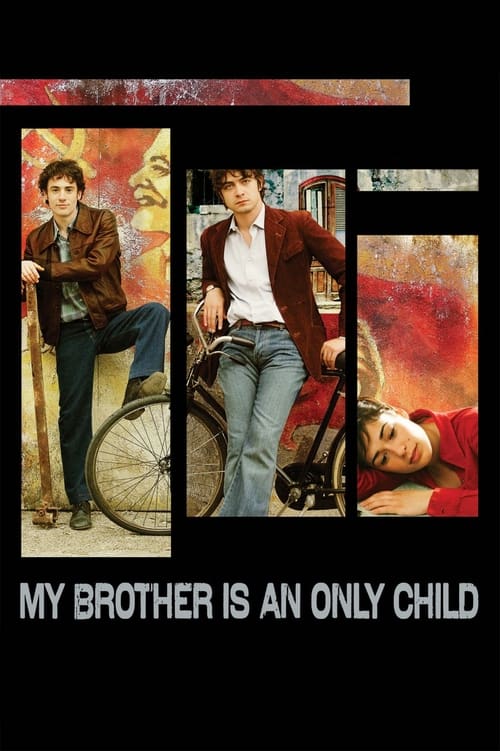
Daniele Luchetti’s film is a historical study of class and political socialization in 1960s Italy. It prioritizes the socioeconomic shifts and ideological tensions of the era over a diverse cast. The film effectively deconstructs traditional social cohesion and family stability, but it remains limited by its focus on male-centric competition and traditional romantic structures. Ultimately, it is a specific historical portrait that emphasizes class-based storytelling.
Category Breakdown
The story focuses on fraternal rivalry and political identity, with no representation of non-straight or non-cisgender identities.
The narrative emphasizes male adolescent development, where female characters play minor roles as romantic interests or peripheral figures.
Set in 1960s Italy, the film reflects the demographic homogeneity of the time, focusing on class-based identity without highlighting multi-ethnic diversity.
The film examines the tension between family stability and radical political ideologies, portraying the home as a battleground for ideological conflicts driven by societal changes.
There are no significant portrayals of physical or neurological disabilities that influence the plot or define central characters.
Present on Screen
Limited or Absent
Official Synopsis
Accio and Manrico are siblings from a working-class family in 1960s Italy: older Manrico is handsome, charismatic, and loved by all, while younger Accio is sulky, hot-headed, and treats life as a battleground — much to his parents' chagrin. After the former is drawn into left-wing politics, Accio joins the fascists out of spite, but his flimsy beliefs are put to test when he falls for Manrico's like-minded girlfriend.
2013
1973
1973
1976

1969
1999
1998
1961
No reviews yet. Be the first to share your thoughts on this movie!
Use the rating form above to leave a star rating and optional review.