My Brother Is an Only Child
2007
No user ratings available yet
Representation score: 3.5 out of 10
Representation Score
Fair
1973
Director
Dario Argento
Runtime
122 minutes
Average Rating
No ratings yetNew Showbiz Analysis
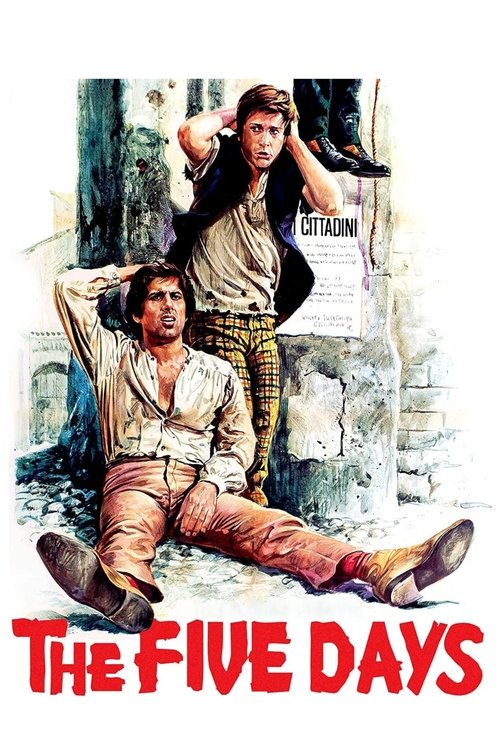
Dario Argento shifts from his usual horror style to explore historical drama. The film primarily serves as an examination of political volatility and class struggle during the 1848 Milanese revolution. While the film lacks modern characters who reflect more than one aspect of diversity, it effectively critiques institutional permanence. It uses the chaos of revolution to dismantle existing social orders and state authority. Ultimately, the work is limited by its 19th-century setting. It emphasizes national and class-based identity over the diverse social identities seen in contemporary cinema.
Category Breakdown
The film does not explicitly include LGBTQ+ characters or non-straight relationships. It focuses on the socio-political changes during the Italian Revolution, emphasizing class and national identity.
The story revolves around a thief and a baker during a revolution. While women may play roles in the civil unrest, the film does not significantly challenge traditional gender roles.
Set in 19th-century Milan, the film reflects the demographics of the time. It focuses on a relatively homogeneous Italian population and does not offer modern characters who reflect more than one aspect of diversity.
The film provides strong cultural context by focusing on anti-establishment movements. It examines the tension between citizens and centralized power, challenging traditional authority structures.
There is no evident portrayal of physical or neurodivergent disabilities in the film.
Present on Screen
Limited or Absent
Official Synopsis
In 1848 Milan, a thief and a baker witness the chaotic final days of the Italian Revolution.
2007

1973
1969

1974
2000
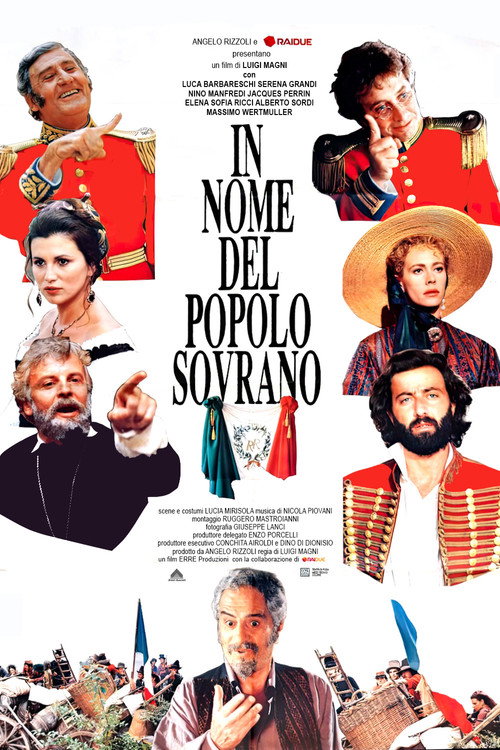
1990
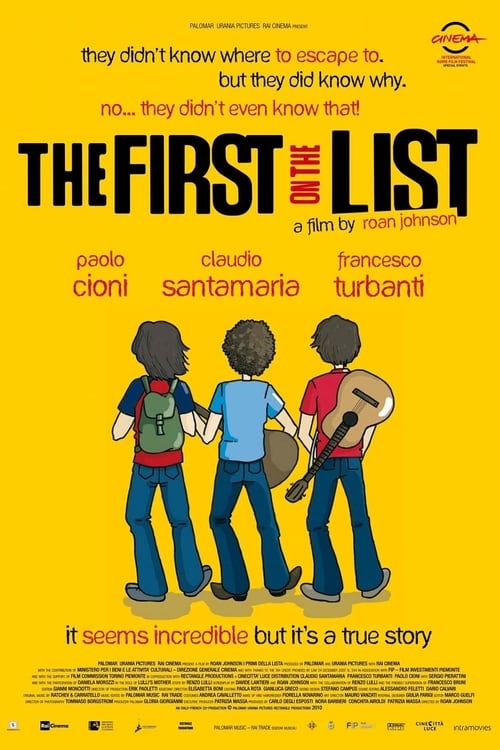
2011
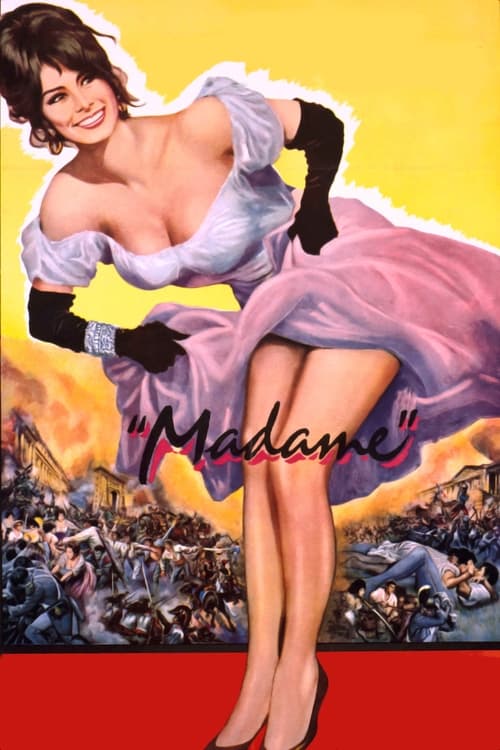
1961
No reviews yet. Be the first to share your thoughts on this movie!
Use the rating form above to leave a star rating and optional review.