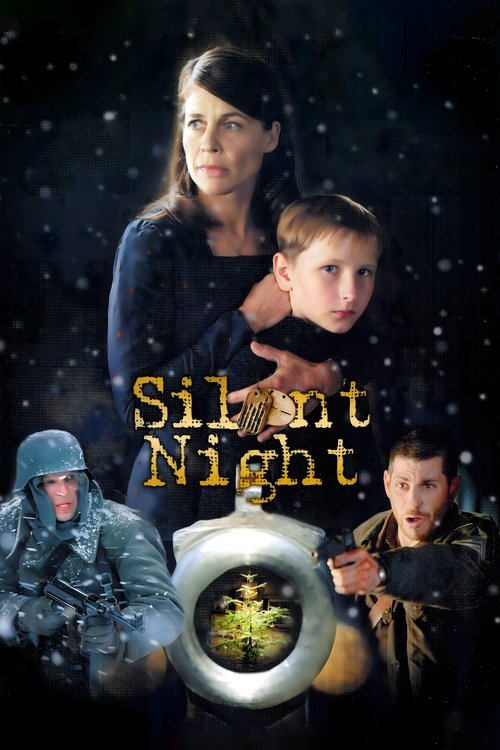
Silent Night
2002
No user ratings available yet
Representation score: 1.1 out of 10

Representation Score
Limited
1992
Director
Jonathan Darby
Runtime
30 minutes
Average Rating
No ratings yetNew Showbiz Analysis
Contact (1992) is a character-driven war drama that finds its strength in interpersonal diplomacy. By forcing an American soldier and an Arab soldier into a position of mutual necessity, the film moves beyond monolithic wartime clichés to explore a more nuanced, interdependent human experience. While the film excels at racial and cultural deconstruction, it remains limited by the conventions of its era. The focus on a masculine-centric confrontation and the absence of diverse gender or LGBTQ+ perspectives result in a narrow social scope. Ultimately, the film succeeds as a study of moral relativism. It replaces traditional patriotic narratives with a survival-based framework that emphasizes human connection over state-driven objectives.
Category Breakdown
The film does not include any LGBTQ+ characters or narratives, focusing instead on a binary geopolitical conflict.
The story relies on traditional masculine archetypes typical of 1990s war dramas. It does not highlight women's ability to drive the story or subvert gender hierarchies.
The plot disrupts Western-centric clichés by centering on the interaction between an American and an Arab soldier. Their mutual dependency drives a cross-cultural survival story.
The film deconstructs the hero-versus-villain dichotomy through situational ethics. It prioritizes humanistic cooperation and survival over nationalist fervor or ideological superiority.
There is no information regarding the inclusion of characters with visible or invisible disabilities.
Present on Screen
Limited or Absent
Official Synopsis
An American soldier and an Arab soldier confront each other during wartime in the desert, each hoping to kill the other. But in order to survive, they must lay down their arms and cooperate.
2002
1992

1979

2009
1989
1994
2008
2002
No reviews yet. Be the first to share your thoughts on this movie!
Use the rating form above to leave a star rating and optional review.