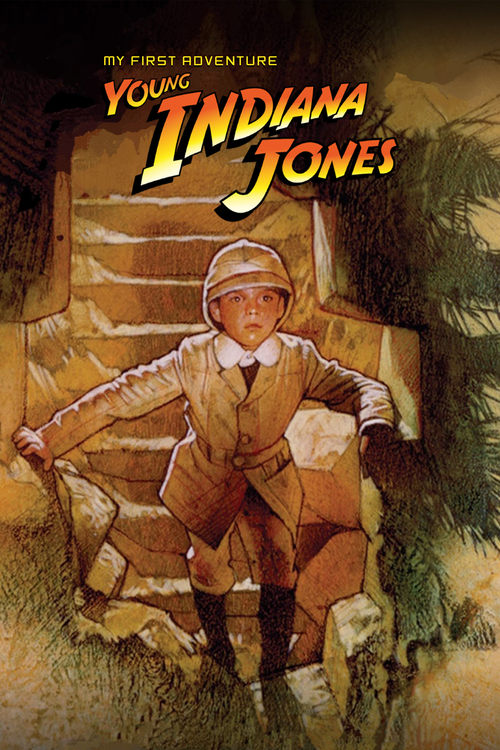
The Adventures of Young Indiana Jones: My First Adventure
2000
No user ratings available yet
Diversity score: 2.7 out of 10

1999
Director
Joe Johnston, Carl Schultz
Runtime
96 minutes
Average Rating
No ratings yetSynopsis
Indy and his girlfriend, Nancy Stratemeyer, whose father created the Nancy Drew mystery series, visit the laboratory of inventor Thomas Edison. The two must contend with dangerous German spies as they struggle to keep Edison's top secret new invention out of the hands of hostile enemy agents. To keep him from getting into any more trouble, Indy is sent to visit his aunt in New Mexico. While there, he is kidnapped by Pancho Villa and swept into the Mexican Revolution. Chaotic, free-wheeling border towns, a "Wild Bunch" style train robbery and a colorful barroom encounter with a young George Patton make for thrilling entertainment in this action-packed movie.
Overall Score
Limited
Category Breakdown
LGBTQ+ Representation
The story focuses on a heterosexual romance between Indiana Jones and Nancy Stratemeyer. No queer narratives or non-cisnormative identities are present in the film.
Gender Representation
Nancy Stratemeyer serves as a capable female lead with significant narrative weight. However, the plot's primary agency remains centered on the male protagonist.
Racial & Ethnic Diversity
The Mexican Revolution and Pancho Villa provide a platform for diverse casting. However, ethnic identity often appears tied to conflict and instability within the narrative.
Religious & Cultural Diversity
The film emphasizes Western technological progress and historical figures like Thomas Edison. It lacks critique of imperialism, using historical settings primarily as adventure backdrops.
Disability Representation
There are no visible or invisible disabilities depicted among the primary characters in this adventure.
Strengths
Areas for Improvement
AI Analysis
The film operates as a traditional period piece that reinforces early 20th-century social hierarchies. While it expands its geographic scope by moving from Edison's laboratory to the Mexican Revolution, the narrative remains firmly anchored in a Western-centric worldview. Diversity is limited by the genre's reliance on traditional archetypes. The inclusion of historical figures and geopolitical conflict provides cultural texture, but these elements serve the protagonist's journey rather than offering deep representation or systemic critique. Ultimately, the work prioritizes established historical status quos. It utilizes diverse settings to facilitate action rather than to challenge the era's prevailing social and power dynamics.
2000
2000
2000
No reviews yet. Be the first to share your thoughts on this movie!
Use the rating form above to leave a star rating and optional review.