
The Adventures of Young Indiana Jones: Adventures in the Secret Service
1999
No user ratings available yet
Representation score: 1.3 out of 10

Representation Score
Limited
2000
Director
Terry Jones, Robert Young
Runtime
94 minutes
Average Rating
No ratings yetNew Showbiz Analysis
This installment of the Young Indiana Jones series operates as a conventional period piece. It prioritizes historical immersion and adventure storytelling clichés over disrupting social norms. The production mirrors the established hierarchies of the early 1900s. While international locales offer ethnic variety, the narrative lacks intentionality in addressing identity, gender, or systemic power dynamics. Ultimately, the film remains a traditional adventure that avoids challenging the status quo of its era.
Category Breakdown
The story follows strict early 20th-century social norms, with no representation of LGBTQ+ identities or same-sex relationships.
Female characters mainly support the protagonist and reinforce traditional gender hierarchies from the time period.
The international settings offer some ethnic variety but do not intentionally challenge historical norms.
The narrative emphasizes historical authenticity and presents religious and social structures as historical realities without critiquing them.
The film does not engage with physical disabilities or neurodivergence, focusing instead on the main character’s abilities.
Present on Screen
Limited or Absent
Official Synopsis
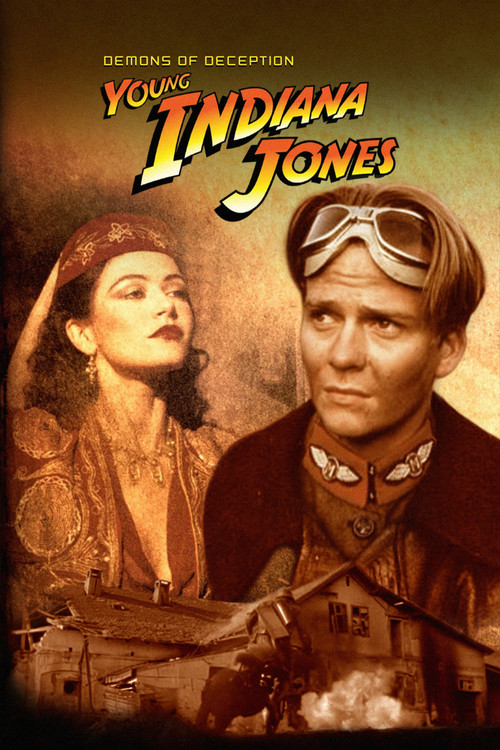
Posing as a dancer for the Ballets Russes in Barcelona, Indy meets old friend Pablo Picasso, and narrowly outwits inept German spies. Dashing off to Prague, he then arranges for a telephone installation to await an important call, which becomes a bureaucratic nightmare until Franz Kafka intervenes.
1999

1991
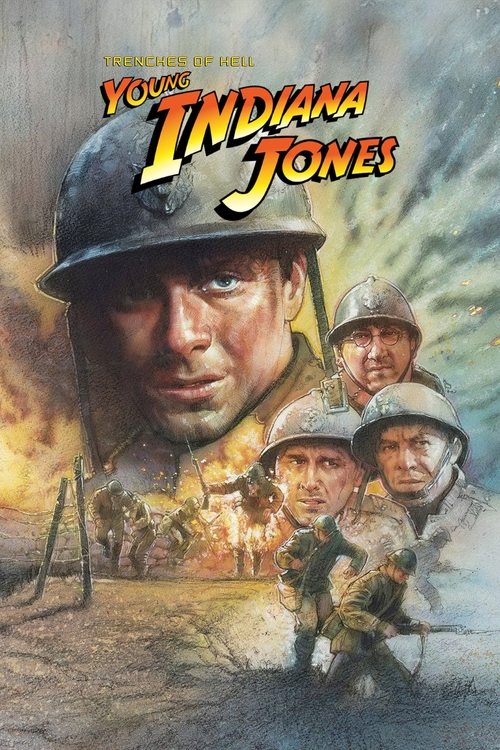
1999
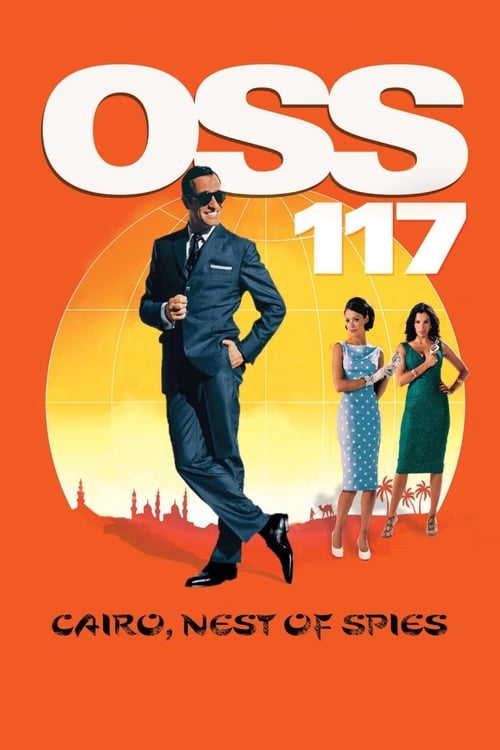
2006
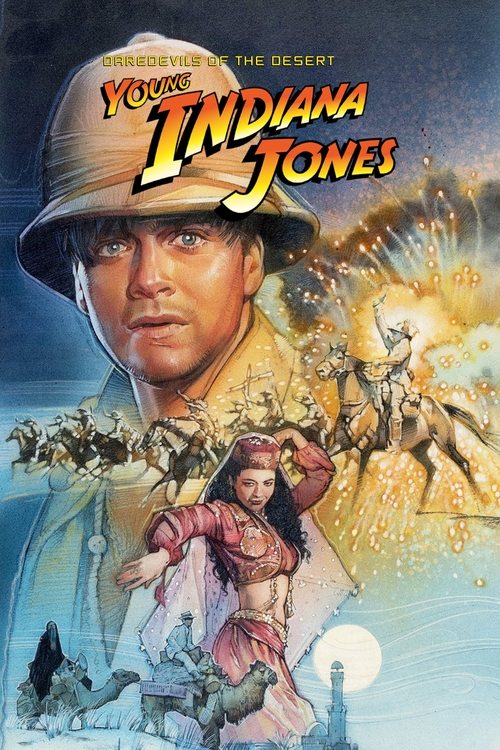
1999
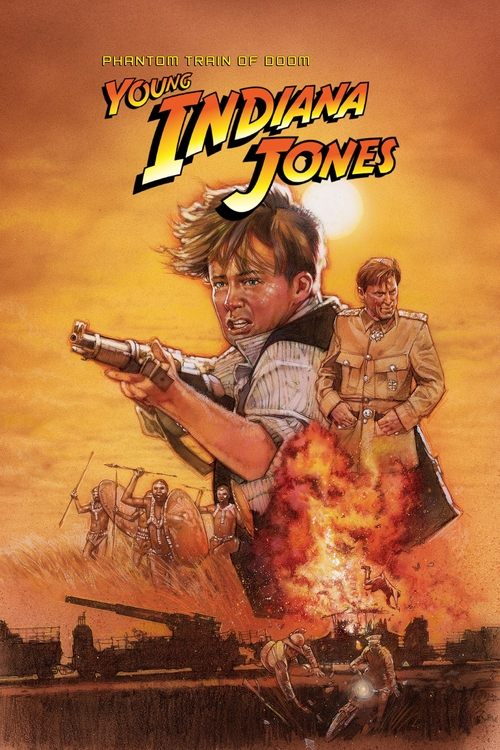
1999

1999
1999
No reviews yet. Be the first to share your thoughts on this movie!
Use the rating form above to leave a star rating and optional review.