
The Adventures of Young Indiana Jones: Spring Break Adventure
1999
No user ratings available yet
Diversity score: 2.8 out of 10
2000
Director
Michael Schultz, Jim O'Brien
Runtime
86 minutes
Average Rating
No ratings yetSynopsis
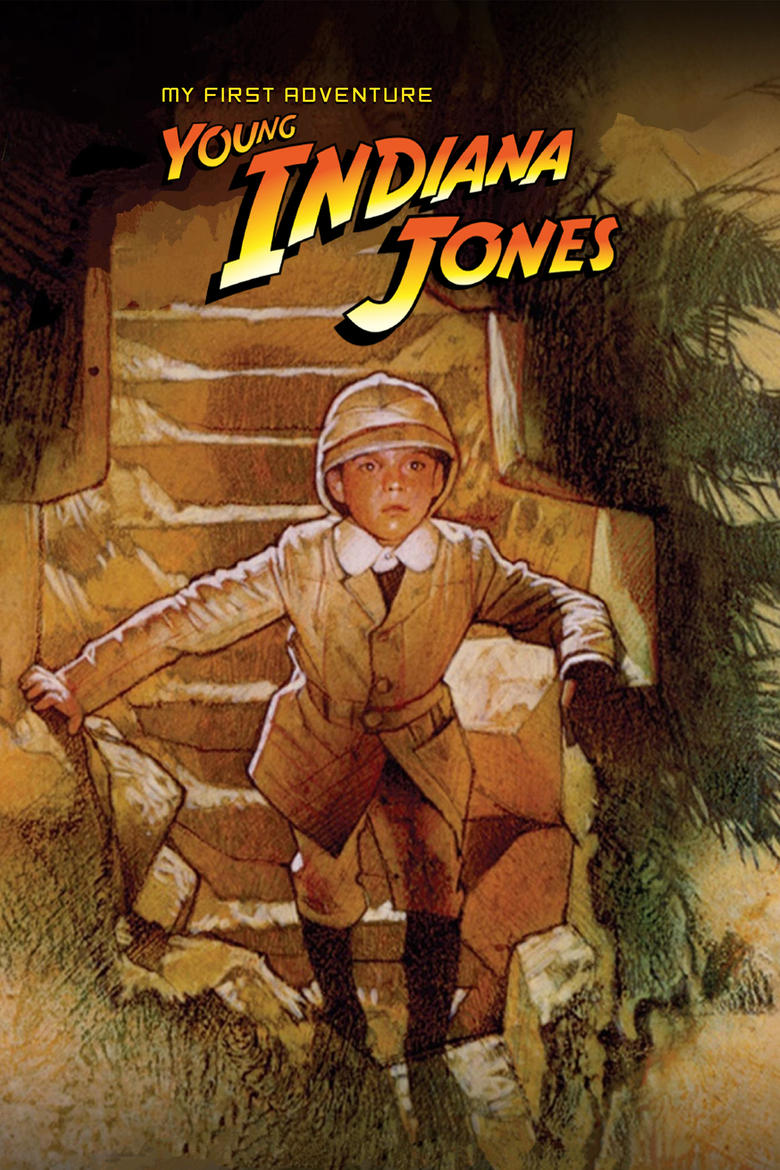
While traveling with his father's world-wide lecture tour, nine-year-old Indiana Jones encounters an ancient mummy and a fresh corpse at an archaeological dig in the Egyptian Valley of the Kings. After solving the mystery, with help from Lawrence of Arabia, Indy is kidnapped by slave traders and taken across the Sahara to the slave market at Marrakech, where all his newly-honed wits are needed to escape.
Overall Score
Limited
Category Breakdown
LGBTQ+ Representation
The narrative lacks any discernible presence of non-heteronormative identities or queer-coded subtext. Character interactions center on traditional social structures without exploring gender identity or same-sex intimacy.
Gender Representation
Set in 1908, the film reinforces traditional gender hierarchies. Female characters serve primarily as secondary figures to the male protagonist, offering little subversion of the era's power dynamics.
Racial & Ethnic Diversity
The international cast reflects the geographic breadth of the Sahara and Marrakech. However, characters of color often appear within 'exotic' contexts or colonial-era labor landscapes.
Religious & Cultural Diversity
The story emphasizes Western curiosity and archaeological discovery through traditional archetypes. It lacks a critique of colonialist frameworks or the systemic implications of Western historical narratives.
Disability Representation
There is no significant or meaningful depiction of neurodivergence or physical disability. Characters with potential impairments are not utilized as central figures with agency.
Strengths
Areas for Improvement
AI Analysis
The film functions as a traditional period adventure that prioritizes pulp heroism over social nuance. While the setting spans from Europe to North Africa, the narrative architecture adheres strictly to established historical tropes and colonial-era hierarchies. Representation is largely observational rather than transformative. The story focuses on the development of male agency and Western discovery, often relegating non-Western characters to the background of the landscape or local trade settings. Ultimately, the production lacks the intentionality required to disrupt conventional social norms. It follows a binary moral compass typical of the genre, failing to engage with the complexities of the era's systemic power structures.
1999
2000
2000
No reviews yet. Be the first to share your thoughts on this movie!
Use the rating form above to leave a star rating and optional review.