Samurai Fiction
1998
No user ratings available yet
Diversity score: 4.4 out of 10
2017
NRDirector
Don Carr, Amir Shervan
Runtime
111 minutes
Average Rating
No ratings yetSynopsis
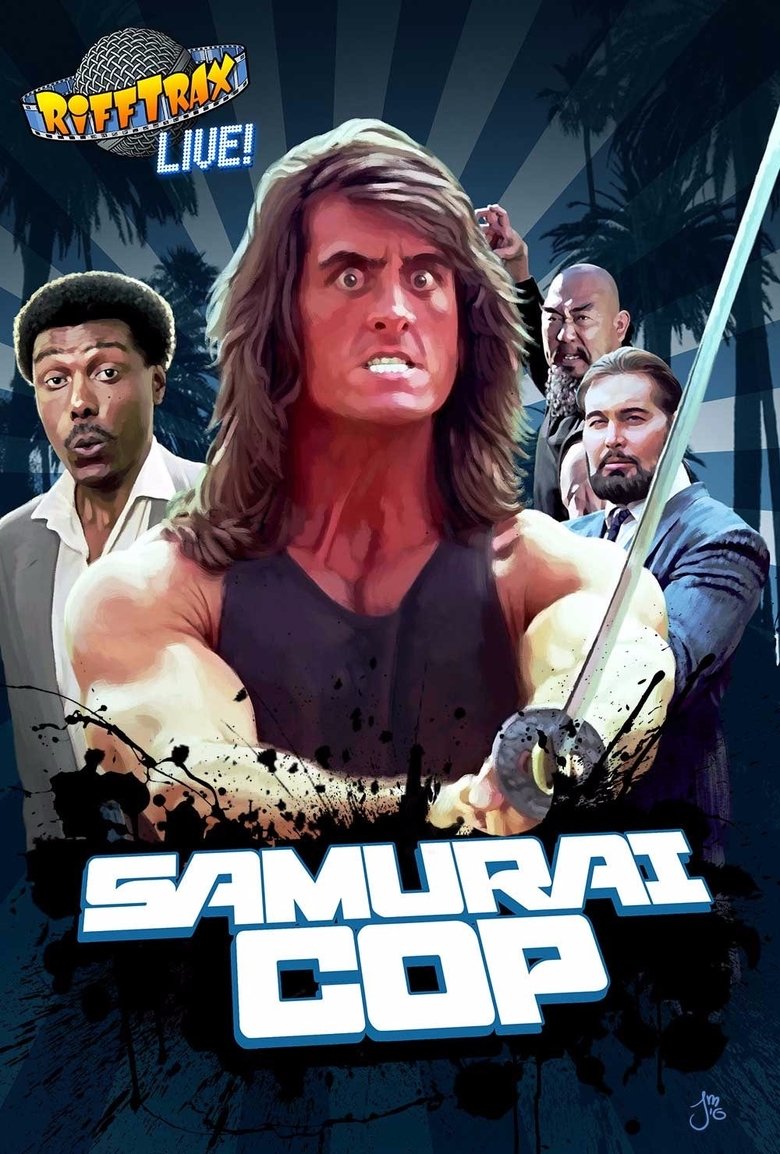
The Samurai Cop is here to kick ass and chew bubblegum, and he’s already infringed on enough movies and cliches so he’s just going to stop with that introduction right there. Yes, the cop they call Samurai has travelled to Los Angeles from a faraway land they call San Diego. Because it would just make no sense to have the movie take place in San Diego, or to have the cop be from LA to start with. Or, y’know, Japan. Decapitations, explosions, poorly subbed in stunt doubles, mangled dialogue, prominent lion heads, and unfortunate banana hammocks abound in this extremely eighties-y nineties movie. Join Mike, Kevin, Bill, and Alfonso Rafael Federico Sebastian for Samurai Cop.
Overall Score
Fair
Category Breakdown
LGBTQ+ Representation
The performance lacks intentional narrative representation of LGBTQ+ identities. Instead, the performers use humor to critique the heteronormative archetypes and macho posturing found in the original film.
Gender Representation
The commentary deconstructs traditional masculine hierarchies by mocking the hyper-masculine protagonist. There is very little female agency present due to the male-centric nature of the source material.
Racial & Ethnic Diversity
Performers critique the film's superficial appropriation of Japanese identity and its reliance on Westernized caricatures. The work remains tethered to the racial tropes of the 1991 film.
Religious & Cultural Diversity
The production adopts a skeptical view of the heroic mythos common in Western action cinema. It prioritizes satirical morality over specific political or anti-capitalist frameworks.
Disability Representation
There is no significant evidence regarding the portrayal of visible or invisible disabilities. The focus remains on technical errors and narrative clichés.
Strengths
Areas for Improvement
AI Analysis
This production functions as a reactive, comedic critique of a fundamentally non-diverse 1991 action film. The performers use satire to dismantle the source material's problematic tropes, particularly regarding gender and cultural appropriation. While the ensemble's commentary disrupts traditional cinematic authority and mocks hyper-masculinity, the work does not offer intentional, intersectional storytelling. It is a deconstruction of existing flaws rather than a vehicle for new representation. Ultimately, the score reflects a work that is limited by its reliance on a trope-heavy text, even as it seeks to lampoon those very elements.
1998
2015
1974
2017
2002
1997
2016

1982
2008
2008
1992

1989
No reviews yet. Be the first to share your thoughts on this movie!
Use the rating form above to leave a star rating and optional review.