
100 Yen Love
2014
No user ratings available yet
Representation score: 7.7 out of 10
Representation Score
Fair
2000
NRDirector
Ryuichi Hiroki
Runtime
88 minutes
Average Rating
No ratings yetNew Showbiz Analysis
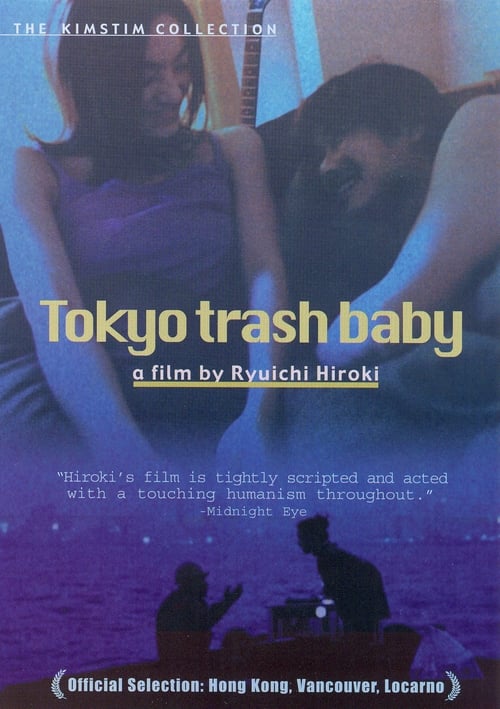
Tokyo Trash Baby functions as a character study that deconstructs social norms through its unconventional protagonist. By focusing on Miyuki’s voyeuristic and disruptive behaviors, the film moves away from idealized social structures to explore urban alienation. The film successfully challenges traditional gender roles by presenting a proactive, socially disruptive female protagonist. This approach favors a messy, unpolished realism over the promotion of traditional social institutions. However, the narrative remains limited in its explicit representation of diverse identities. While it explores social deviance, it lacks specific details regarding LGBTQ+ characters or multi-layered racial dynamics.
Category Breakdown
The film centers on a heterosexual relationship without explicitly addressing any LGBTQ+ identities. However, the exploration of non-traditional social behaviors hints at a potential space for non-straight perspectives.
Miyuki serves as a central figure of ability to act who disrupts traditional feminine passivity. Her socially disruptive actions subvert idealized clichés of domestic grace in favor of a complex female subjectivity.
Set in Tokyo, the film reflects the local population and emphasizes a Japanese cultural context. It avoids Western casting norms and highlights the unique identity of its setting.
The story critiques urban social structures through the lens of scavenging, suggesting a rejection of consumerist facades and traditional hierarchies in favor of a more realistic portrayal.
The film does not include any depiction of physical or neurodivergent disabilities.
Present on Screen
Limited or Absent
Official Synopsis
Miyuki doesn't need to stalk the man she's crazy about, because he lives one floor down. Rather than approach him, she digs through his trash.
2014

2004

2001

2009

2017
2000

2011

2001
No reviews yet. Be the first to share your thoughts on this movie!
Use the rating form above to leave a star rating and optional review.