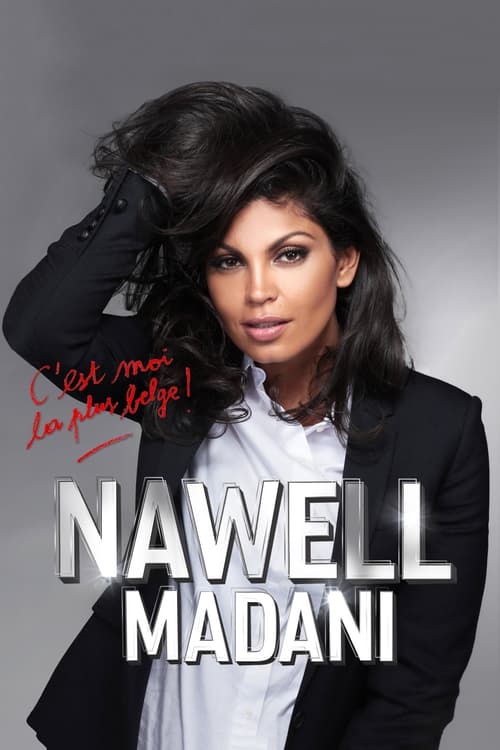
Nawell Madani – C’est moi la plus belge!
2017
No user ratings available yet
Representation score: 6.0 out of 10
Representation Score
Fair
2015
Director
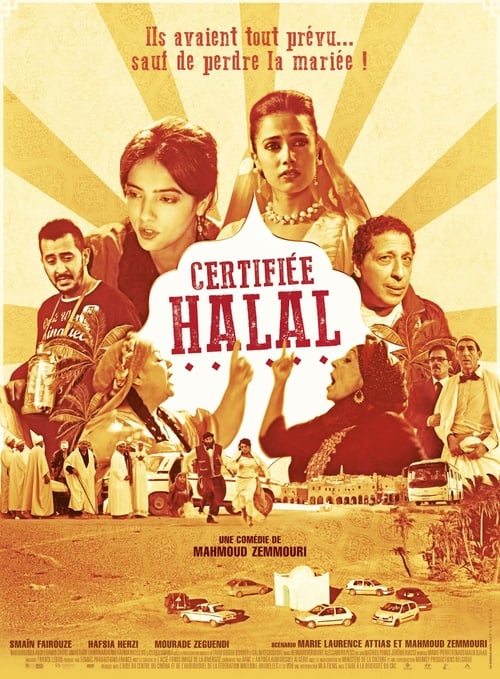
Mahmoud Zemmouri
Runtime
85 minutes
Average Rating
No ratings yetNew Showbiz Analysis
Certifiée Halal stands as a dual-narrative exploration of the lived experiences of North African diaspora communities. By shifting away from an outsider's perspective, the film offers an internal view of religious identity and social negotiation in both the Maghreb and French suburbs. The film's strength lies in its refusal to follow traditional Western narrative structures. It centers race and ethnicity as key drivers rather than peripheral elements, providing a sophisticated examination of post-colonial social dynamics. However, the film's scope is limited in broader social representation. It does not engage with LGBTQ+ identities or disability representation, focusing instead on the specific tensions of religious and gender traditions.
Category Breakdown
The film does not include any characters who identify as part of the LGBTQ+ community. The storyline focuses on traditional marriage structures and religious practices.
Kenza challenges traditional gender roles through her activism, suggesting a narrative that prioritizes women's empowerment over passive adherence to norms.
The film highlights a predominantly North African cast, validating the socioeconomic realities of the Maghrebi diaspora without adopting a Western-centric viewpoint.
The story presents a nuanced view of religious identity as a complex interaction with secular society. It examines the tension between immigrant values and Western institutions.
There are no characters with visible or invisible disabilities featured in the story.
Present on Screen
Limited or Absent
Official Synopsis
In the Maghreb, Hajj Achour's plans for his daughter Sultana's marriage unravel when a defective dowry takes center stage. Meanwhile, in France, activism meets family tradition as Kenza confronts gender norms, leading to a chaotic wedding where secrets collide.
2017

2016
2011
2015
2019
2014
2009
2010
No reviews yet. Be the first to share your thoughts on this movie!
Use the rating form above to leave a star rating and optional review.