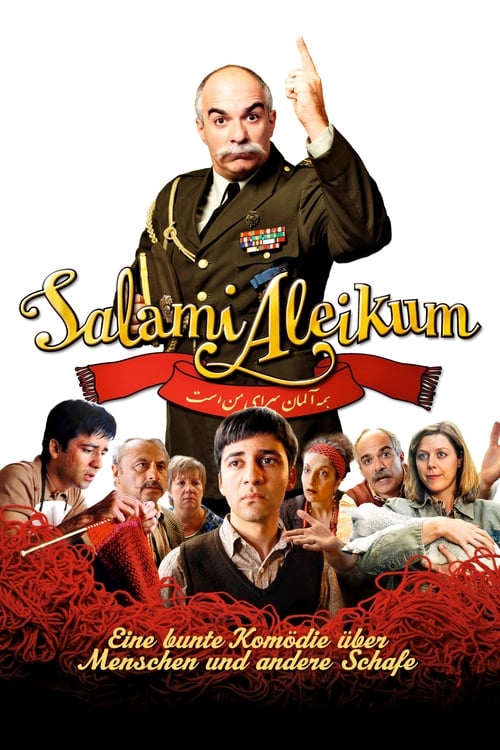
Salami Aleikum
2009
No user ratings available yet
Representation score: 3.9 out of 10

Representation Score
Limited
2013
Director
Ali Samadi Ahadi
Runtime
0 minutes
Average Rating
No ratings yetNew Showbiz Analysis
45 Minutes to Ramallah is a powerful film that highlights the lived experiences of a underrepresented ethnic group. By centering Palestinian identities, the film challenges dominant geopolitical hierarchies and provides a necessary non-Western perspective. However, the film remains tied to traditional social structures, relying heavily on patriarchal family dynamics and conventional masculine roles. Ultimately, the film's strength lies in its cultural and ethnic authenticity, using the specific context of the West Bank to drive a high-stakes plot.
Category Breakdown
The film emphasizes fraternal bonds and patriarchal lineage. It doesn't include non-binary gender identities or stories that question the assumption that everyone is straight.
The story focuses on the male experience through two brothers. It operates within a traditional framework where masculinity is tied to duty and protection.
The narrative centers on Palestinian Arab identities and lived experiences. It challenges the Anglo-centric viewpoint by highlighting the struggles of an occupied population.
The film critiques geopolitical power dynamics and institutional barriers. It portrays the struggle for movement as a critique of state-imposed fragmentation.
There are no prominent depictions of visible or invisible disabilities. No such characters play a central role in the narrative.
Present on Screen
Limited or Absent
Official Synopsis
Turbulent comedy about two Palestinian brothers who smuggle the dead body of their father from Jerusalem to Ramallah with the Israeli Police, a bunch of terrorists and the Russian Mafia breathing down their necks.
2009

2018

2014

2011
2017

2010

1999

2015
No reviews yet. Be the first to share your thoughts on this movie!
Use the rating form above to leave a star rating and optional review.