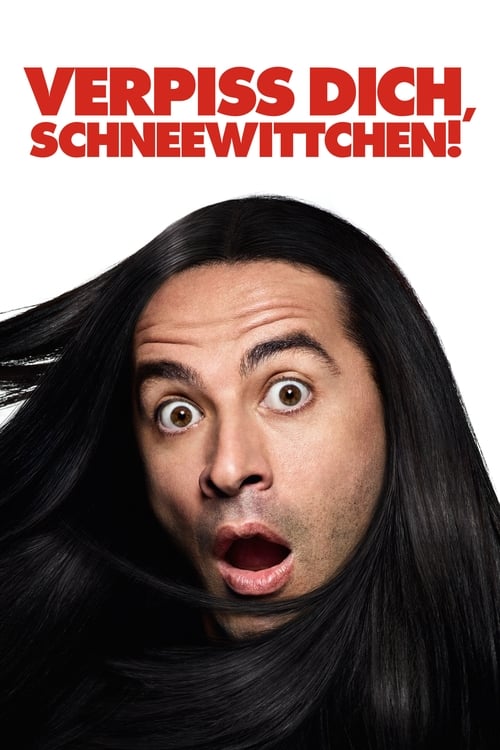
Verpiss Dich, Schneewittchen
2018
No user ratings available yet
Diversity score: 6.7 out of 10
2013
Director
Cüneyt Kaya
Runtime
107 minutes
Average Rating
No ratings yetSynopsis
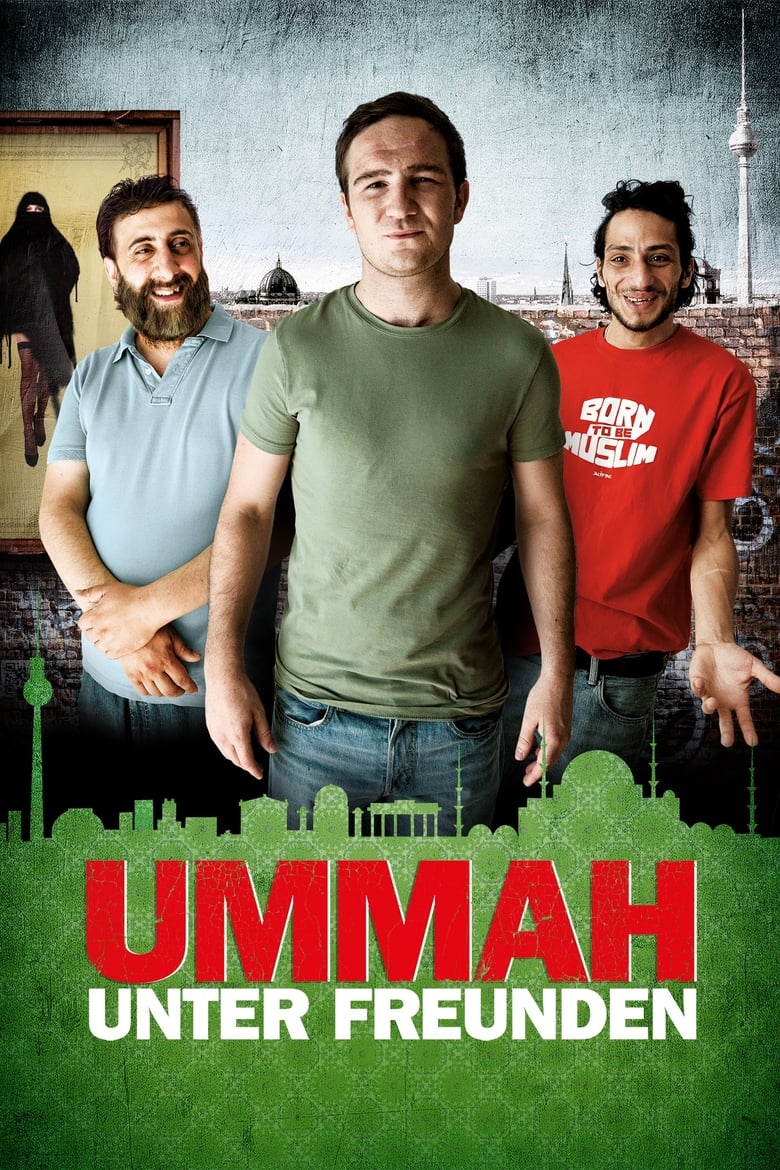
Daniel no longer wants to know anything about his job at the Office for the Protection of the Constitution. After a tragic accident during a surveillance operation in the neo-Nazi scene, he tries to resign. Instead of pursuing his request, he is housed in a run-down apartment in Berlin's Neukölln district for his own protection. To his own surprise, Daniel quickly makes friends not only with his new, unfamiliar surroundings, but also with the Arab second-hand goods dealer Abbas. But just as Daniel begins to take heart, his boss from the Office for the Protection of the Constitution turns up on Daniel's doorstep. He has anything but good news in his luggage...
Overall Score
Good
Category Breakdown
LGBTQ+ Representation
The film lacks LGBTQ+ characters or non-heteronormative identities. The narrative focuses on religious and cultural frameworks that reinforce traditional social structures.
Gender Representation
Gender dynamics lean toward patriarchal structures with central agency held by male characters. Subverting traditional hierarchies serves as a point of tension rather than a primary driver.
Racial & Ethnic Diversity
The film excels by centering Turkish-German and Arab-German identities. Characters navigate complex social and state-level conflicts with high agency, avoiding common cinematic tokenism.
Religious & Cultural Diversity
The story challenges Western hegemony by clashing secular lifestyles with religious convictions. It critiques traditional Western institutions and the 'othering' of minority groups.
Disability Representation
There is no significant evidence regarding the portrayal of visible or invisible disabilities within the narrative.
Strengths
Areas for Improvement
AI Analysis
UMMAH - Unter Freunden is a significant work of intersectional storytelling that disrupts conventional European cinematic expectations. It effectively utilizes the immigrant experience to critique the perceived rigidity of Western secularism and state authority. The film's primary strength lies in its robust racial and cultural agency, providing a nuanced look at identity politics in a modern urban environment. However, it remains limited by traditional gender roles and a lack of queer representation. Ultimately, the film succeeds as a critique of the 'othering' of minority groups, even while it maintains conventional social hierarchies within its character dynamics.
2018

2015
2015

2016
2009

1993

2017

2015

2014

2008

2019

2011
No reviews yet. Be the first to share your thoughts on this movie!
Use the rating form above to leave a star rating and optional review.