Candy
2006
No user ratings available yet
Representation score: 5.2 out of 10
Representation Score
Fair
1971
PGDirector
Jerry Schatzberg
Runtime
110 minutes
Average Rating
No ratings yetNew Showbiz Analysis
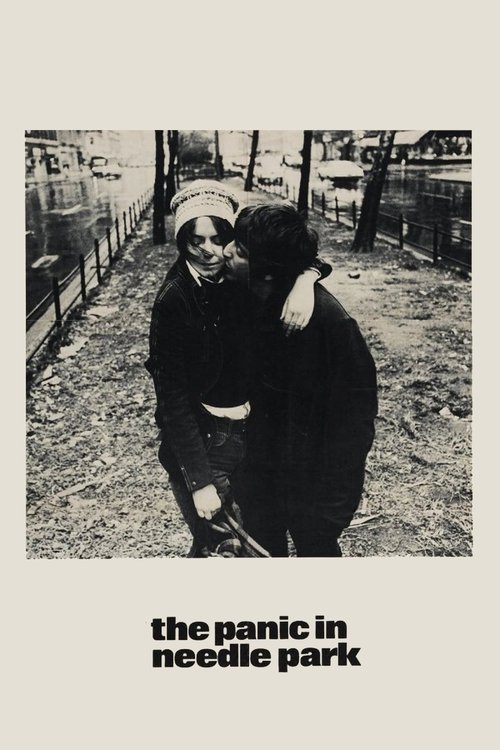
The Panic in Needle Park is a work of gritty social naturalism that prioritizes the lived experiences of underrepresented communities. It succeeds by deconstructing traditional social orders and providing an empathetic, non-judgmental look at life outside mainstream institutions. However, the film falls short in traditional demographic representation. It lacks LGBTQ+ presence and racial diversity, focusing instead on a relatively homogeneous urban setting that reflects the era's cinematic trends. Ultimately, the film's strength lies in its cultural critique. It frames anti-social behavior as a systemic response to poverty and alienation rather than a moral failing, offering a sophisticated view of situational ethics.
Category Breakdown
The film does not include any LGBTQ+ characters or non-cisgender identities. The main romantic relationship is strictly between heterosexual characters, with no queer undertones or critiques of traditional gender roles.
Jackie avoids portraying women in traditionally submissive roles, instead showing her fighting for autonomy in a harsh environment. While the film questions traditional domestic stability, it does not deeply challenge gender-based power dynamics.
The cast reflects a homogeneous urban demographic typical of 1970s realism. The narrative focuses on socioeconomic status without delving into racial or ethnic diversity among the main characters.
The film sharply criticizes Western institutions such as capitalism and organized religion. It portrays these structures as ineffective for those living on the social fringes.
Chemical dependency is portrayed as a pervasive, debilitating condition rather than just a plot device. However, the film does not explore neurodivergence or disability rights in detail.
Present on Screen
Limited or Absent
Official Synopsis
A stark portrayal of life among a group of heroin addicts who hang out in Needle Park in New York City. Played against this setting is a low-key love story between Bobby, a young addict and small-time hustler, and Helen, a homeless girl who finds in her relationship with Bobby the stability she craves.
2006

1963
1995
1955

2015
1987
1980
1998
No reviews yet. Be the first to share your thoughts on this movie!
Use the rating form above to leave a star rating and optional review.