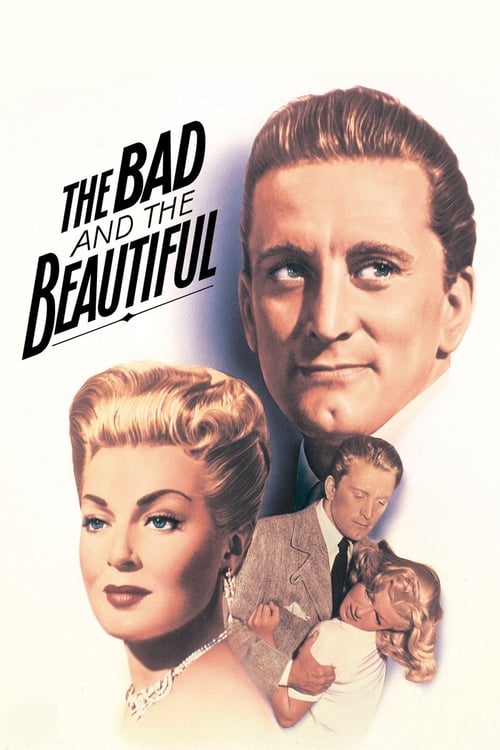
The Bad and the Beautiful
1952
No user ratings available yet
Representation score: 2.7 out of 10
Representation Score
Limited
1976
PGDirector
Elia Kazan
Runtime
123 minutes
Average Rating
No ratings yetNew Showbiz Analysis
The film serves as a period piece that emphasizes historical realism over modern social progressivism. It captures the rigid social and professional hierarchies of the 1930s studio system, which naturally limits the presence of diverse identities. While the film provides detailed character studies, especially around the power dynamics between its main characters, it remains rooted in the traditional structures of its time. The emphasis on individualistic ambition and the pursuit of the American Dream reinforces a conventional cinematic framework. Overall, the work reflects the era it depicts rather than trying to disrupt established social norms. This results in a narrative that is centered on a homogeneous, white-dominated Hollywood landscape.
Category Breakdown
The film follows traditional 1930s romantic clichés and does not include any non-straight or non-cisgender identities. It also doesn't challenge the assumption that everyone is straight or cisgender.
Rosemary van Rithes gets a lot of character development, but the story mainly centers on Monroe Stahr's professional role. Women are mostly portrayed in high-society roles without challenging traditional gender roles.
The cast is mostly white, reflecting the era's Hollywood hierarchy. There is no diverse racial representation or intentional integration.
The story highlights the tension between art and capitalism within the studio system. It focuses on personal ambition without critiquing Western institutions.
The narrative does not focus on neurodivergence or physical disabilities. Character struggles are limited to psychological and professional issues.
Present on Screen
Limited or Absent
Official Synopsis
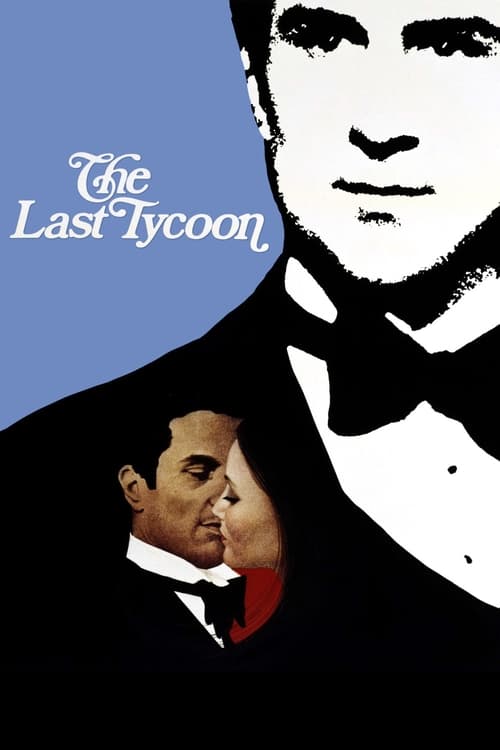
Monroe Stahr, a successful movie producer, pursues a beautiful and elusive young woman — all the while working himself to death.
1952
1958
1967
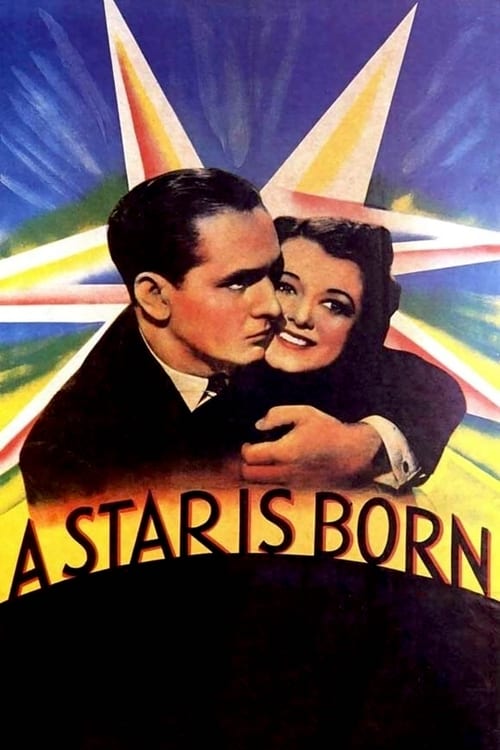
1937

2011
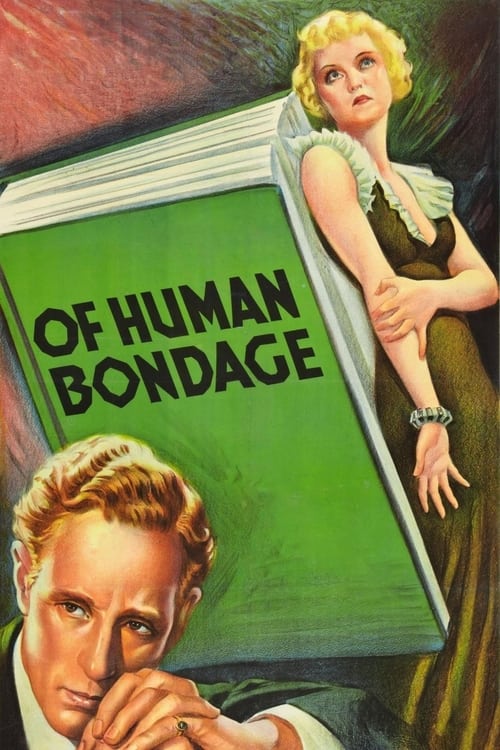
1934
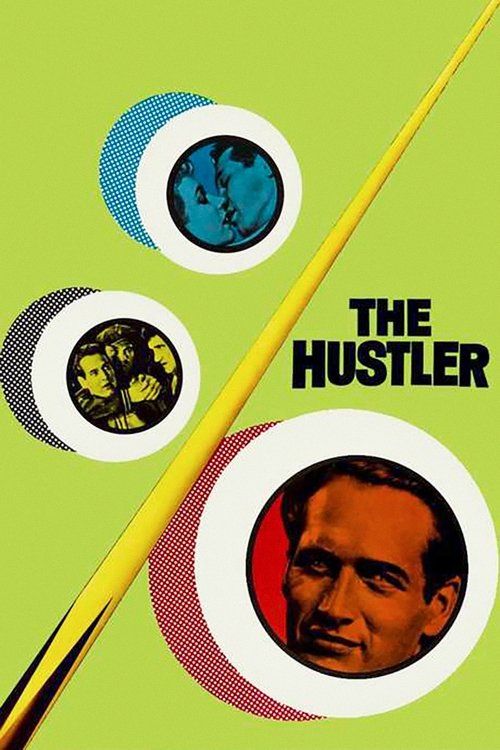
1961
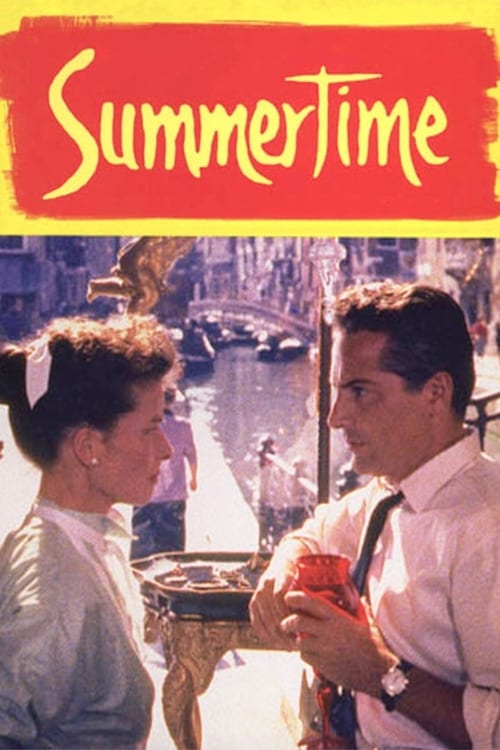
1955
No reviews yet. Be the first to share your thoughts on this movie!
Use the rating form above to leave a star rating and optional review.