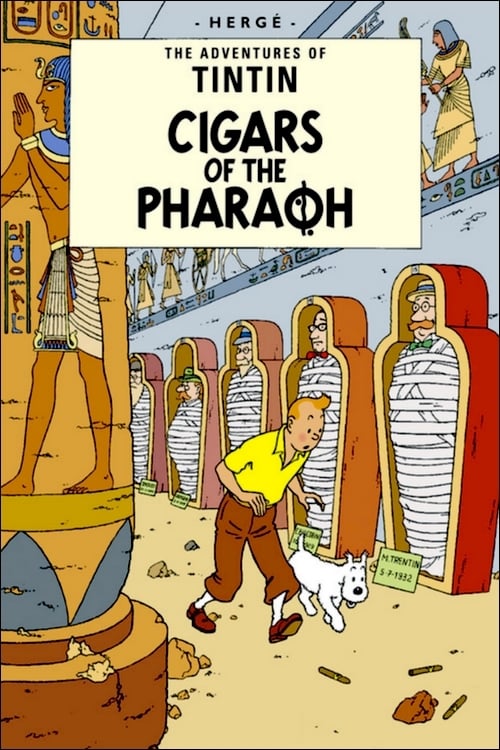
Cigars of the Pharaoh
1991
No user ratings available yet
Representation score: 3.0 out of 10
Representation Score
Minimal
1992
TV-GDirector
Stéphane Bernasconi
Runtime
42 minutes
Average Rating
No ratings yetNew Showbiz Analysis
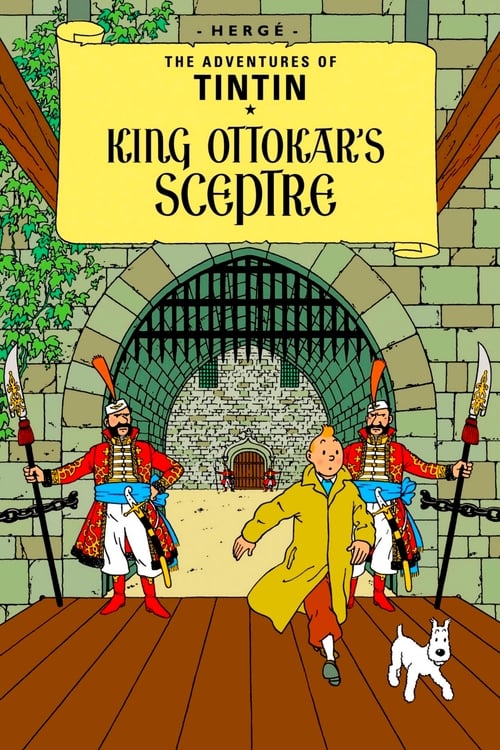
King Ottokar's Sceptre is a traditionalist adventure that prioritizes linear storytelling and established genre clichés. The narrative focuses on restoring a rightful king, reinforcing existing social hierarchies and patriarchal authority. The film operates within a narrow cultural lens, using a Eurocentric aesthetic and homogeneous character composition. It lacks the depth needed to challenge modern standards of representation. Ultimately, the work presents a classic depiction of institutional stability, avoiding moral relativism or diverse casting, and opts for a traditionalist view of heroism and sovereignty.
Category Breakdown
The film follows traditional structures typical of early 90s animation, focusing on straight relationships and excluding non-traditional gender identities.
The story relies on masculine-coded archetypes of leadership and authority, reinforcing traditional gender hierarchies without challenging them.
The visual style reflects a homogeneous Western European aesthetic, maintaining a Eurocentric framework within a stylized Balkan setting.
The narrative emphasizes the preservation of traditional Western institutions like monarchy, validating established social orders without critique.
There is no significant portrayal of physical or neurodivergent disabilities. Characters are presented through standard adventure archetypes.
Present on Screen
Limited or Absent
Official Synopsis
An absent-minded sigillographer gets Tintin involved in a dangerous political intrigue in the Balkan nation of Syldavia.
1991
1991
1991
1992
1991

1992
1991
1992
No reviews yet. Be the first to share your thoughts on this movie!
Use the rating form above to leave a star rating and optional review.