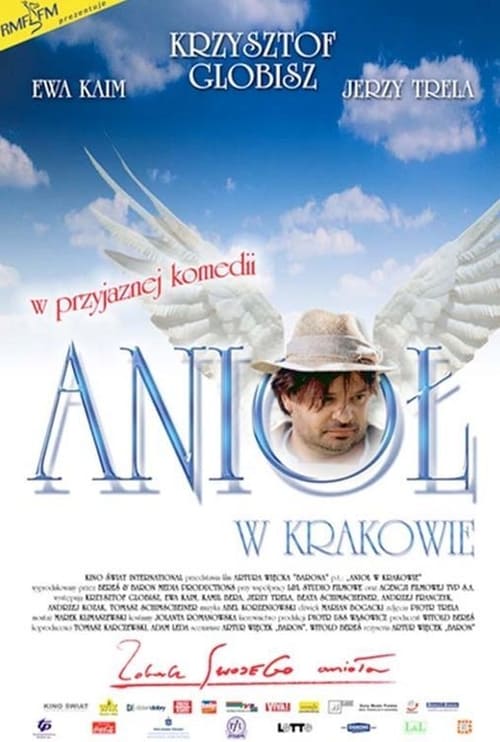
Anioł w Krakowie
2002
No user ratings available yet
Representation score: 1.8 out of 10
Representation Score
Good
2005
Director
Artur Więcek
Runtime
107 minutes
Average Rating
No ratings yetNew Showbiz Analysis
Angel in Love is a genre-driven romantic comedy that finds its most progressive footing in satire rather than social representation. By framing the divine through the lens of bureaucratic mismanagement and budget cuts, the film deconstructs traditional notions of infallible spiritual authority. While the narrative explores the vulnerability of a celestial being forced into a biological body, it remains largely tethered to conventional social structures. The romantic and racial landscapes are traditional, offering little deviation from cultural homogeneity. Ultimately, the film's strength lies in its systemic critique of institutions, even if it lacks significant depth in multi-layered or identity-based representation.
Category Breakdown
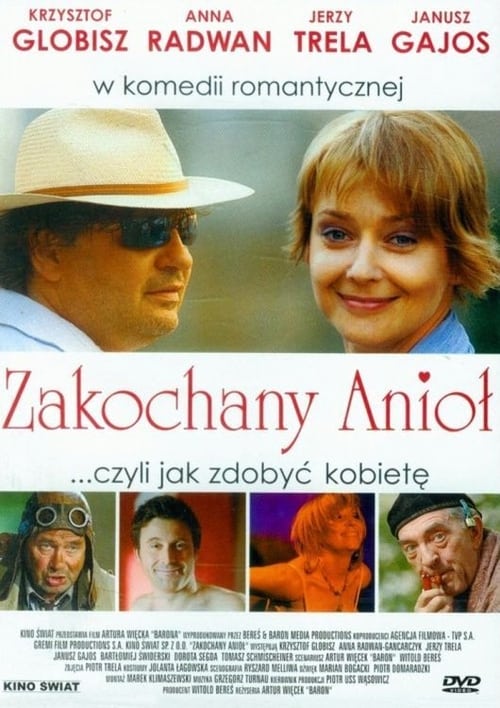
The story follows a traditional romantic arc between Giordano and Roma, without explicitly addressing queer identities or critiquing the assumption that everyone is straight. The focus is on Giordano's transition into a biological male.
Irena and Roma play significant roles, with Irena as an enterprising guide and Roma as an intellectual authority. However, the central plot remains anchored in traditional courtship dynamics.
Set in Krakow, the film features a culturally homogeneous European cast with no evidence of racial blending or diverse ethnic representation.
The film critiques spiritual hierarchies by portraying celestial overseers as flawed, bureaucratic entities. This applies capitalist logic and systemic dysfunction to the divine, offering a unique perspective.
The protagonist's loss of supernatural powers serves as a metaphor for navigating new physical limitations. However, the film lacks deeper exploration of disability beyond this metaphor.
Present on Screen
Limited or Absent
Official Synopsis
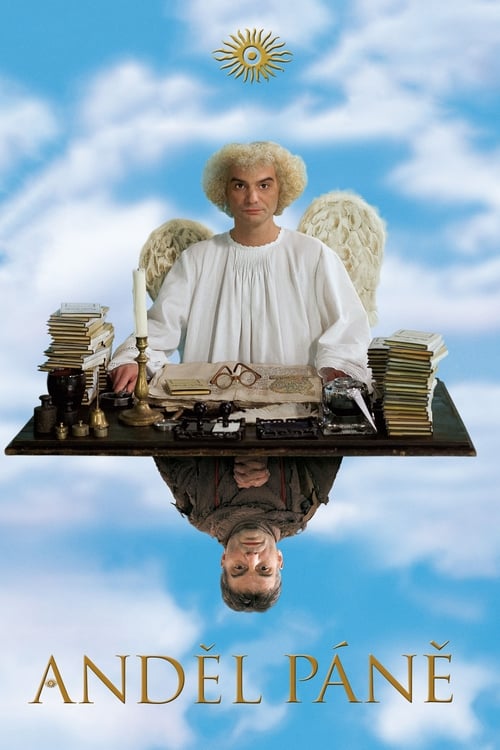
Giordano, an angel assigned to an orphan in Krakow, is two years into the job when his celestial overseers, citing budget cuts, initiate "Phase Two" without telling him. Some changes are good - they send him a nanny, the enterprising Irena; some are bad - his phone number to Heaven no longer works nor do his special powers; and some dismay him - he grows a penis. His closest friend tells him to get a woman, and Irena advises him on hygiene. He visits a therapist, Roma, and falls in love with her. She tells him its transference. Meanwhile, Giordano's celestial friends conspire to rid Roma of her boyfriend, clearing the way for Giordano to be his naive and engaging self.
2002
1997

2010
1985

2005

1947
2005
1987
No reviews yet. Be the first to share your thoughts on this movie!
Use the rating form above to leave a star rating and optional review.