A Matter of Life and Death
1946
No user ratings available yet
Representation score: 2.4 out of 10
Representation Score
Limited
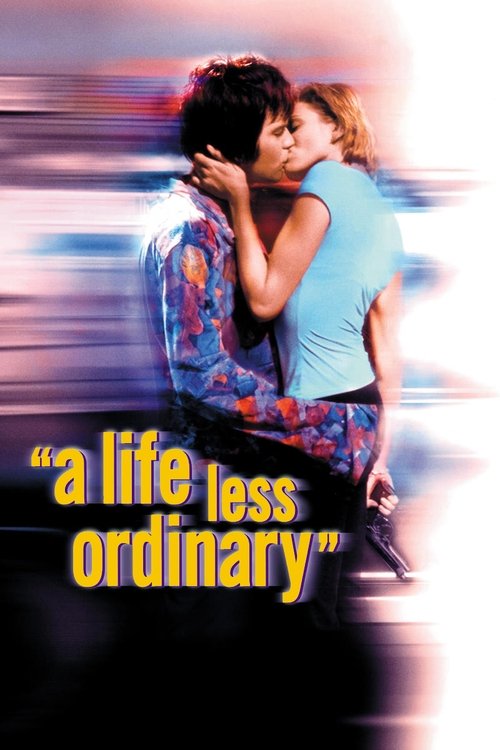
1997
RDirector
Danny Boyle
Runtime
103 minutes
Average Rating
No ratings yetNew Showbiz Analysis
Danny Boyle’s film stands out by reversing traditional gender power dynamics. By placing the female lead at the center of the plot and portraying the male lead as emotionally volatile, the film effectively turns the tables on typical romantic clichés. However, this progressive approach is limited by a narrow focus on a predominantly white demographic. The film offers minimal representation for LGBTQ+ individuals, diverse racial groups, or those with disabilities. Additionally, it prioritizes a whimsical, postmodern style over a deeper exploration of identity politics or systemic social issues.
Category Breakdown
The film adheres to a conventional binary framework for romantic relationships, with no evident representation of non-straight or non-cisgender identities. It does not challenge the assumption that everyone is straight or cisgender.
The narrative overturns traditional gender roles by giving the female lead a strong role in driving the story and making key decisions. The male lead is shown as emotionally unstable, which contrasts with the usual portrayal of a stable male leader.
The film focuses mainly on white characters in London, without much diversity in the cast or storyline. It does not make a concerted effort to include perspectives from different racial backgrounds.
Angelic figures appear in the film, but it does not engage in a direct critique of religion. Instead, it presents social disorder with a whimsical tone, avoiding deeper critiques of societal structures.
The film does not depict characters with visible or invisible disabilities or neurodivergence. Character quirks are presented as romantic obsession rather than exploring disability experiences.
Present on Screen
Limited or Absent
Official Synopsis
Upon being fired, a desperate guy kidnaps a daughter of his former boss. Two angels are sent to Earth to check if love is possible in this case.
1946

1947
1998

1967
1993
1958
1991
1978
No reviews yet. Be the first to share your thoughts on this movie!
Use the rating form above to leave a star rating and optional review.