
Toothless
1997
No user ratings available yet
Representation score: 3.1 out of 10
Representation Score
Limited
1985
PG-13Director
Cary Medoway
Runtime
90 minutes
Average Rating
No ratings yetNew Showbiz Analysis
Heavenly Kid operates as a genre-standard supernatural comedy that prioritizes traditional social hierarchies and romantic clichés. While the protagonist's mixed heritage offers a minor deviation from the era's homogeneous casting, the film lacks the intentionality needed to disrupt conventional social or gender-based expectations. The narrative architecture is driven by 1980s clichés, focusing on adolescent social navigation and straight-centered romance. It avoids multi-layered complexity, favoring a straightforward moral framework. Ultimately, the film reflects the era's limitations, providing minimal representation for underrepresented identities or non-traditional lived experiences.
Category Breakdown
The film follows traditional 1980s teen comedy norms, focusing on a heterosexual relationship without representing LGBTQ+ identities or non-assuming gender matches what was assigned at birth narratives.
Female characters in the film primarily serve as romantic objects or social catalysts, reinforcing traditional gender roles from the 1980s.
The protagonist has an implied mixed heritage, which slightly deviates from typical homogeneous casting, but the narrative does not center on racial identity or systemic ethnic experiences.
The story operates within a standard Western, middle-class framework, using a supernatural premise to navigate adolescent social issues without engaging deeply with diverse cultural experiences.
The film does not feature characters with visible or invisible disabilities. The protagonist's death serves as a supernatural plot device rather than exploring lived experiences of disability.
Present on Screen
Limited or Absent
Official Synopsis
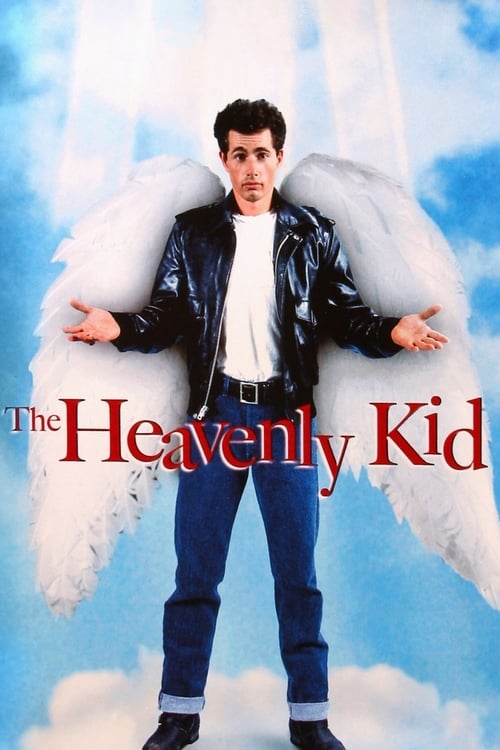
After dying in a car crash, Bobby Fantana is forced to pay for his misdeeds by becoming someone's guardian angel. He reluctantly agrees to watch over awkward high schooler Lenny Barnes, teaching him how to be cool and confident. As Bobby teaches Lenny, the two form a close bond.
1997

1993
1987

1991

2021
1941
1987

1978
No reviews yet. Be the first to share your thoughts on this movie!
Use the rating form above to leave a star rating and optional review.