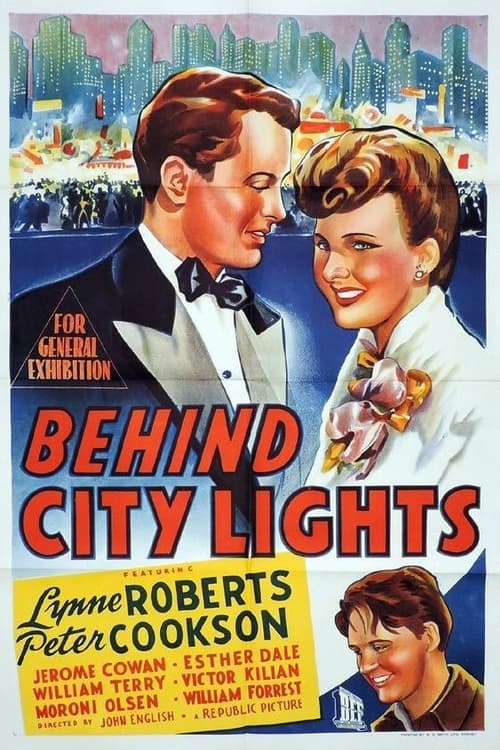
Behind City Lights
1945
No user ratings available yet
Representation score: 1.0 out of 10
Representation Score
Minimal
1940
ApprovedDirector
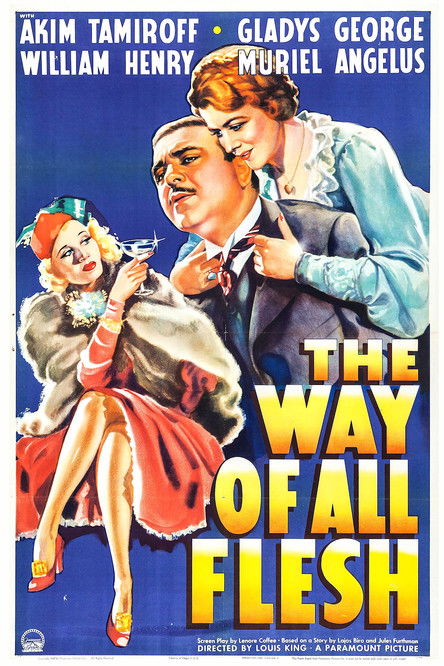
Louis King
Runtime
86 minutes
Average Rating
No ratings yetNew Showbiz Analysis
The Way of All Flesh is a conventional 1940 crime drama that adheres to the social and narrative constraints of its era. It relies on traditional character archetypes and lacks depth in representing diverse identities. The film centers around a male protagonist's loss of identity and socioeconomic struggles. While it touches on the breakdown of social order, it does not challenge traditional hierarchies or promote progressive values. Ultimately, the production reflects the standard demographic norms and moral frameworks of the period, offering limited engagement with diverse identities or systemic issues.
Category Breakdown
The film does not include any LGBTQ+ identities or queer subtext.
Gender roles adhere to traditional hierarchies. Mary Brown, a female character, plays a significant role but primarily supports the male protagonist's journey.
The cast is predominantly white, reflecting the era's focus on Anglo-Saxon narratives. There is no representation of racial or ethnic diversity.
The story examines socioeconomic issues and the cycle of crime. It serves as a cautionary tale without critiquing Western institutions.
Physical trauma is used as a plot device to show social displacement. There is no exploration of disability or neurodivergence.
Present on Screen
Limited or Absent
Official Synopsis
Paul Kriza is a cashier of a bank in a small town, and the happy husband of Anna and the father of four children. He is sent to New York to deliver some securities for the bank. There, he is tagged as easy-pickings by a con-game gang and Mary Brown, gang accomplice, proves he is. Waking up in the morning he discovers he has been robbed of the securities and, when he confronts the gang, he is hit on the head and taken out to be left on a railroad track. He comes to, struggles with the henchman and the man is killed when a train comes roaring by. Paul escapes but his watch is found and he is reported as the dead man. But he can't go home again.
1945

1936
1937

1956
1945

1941
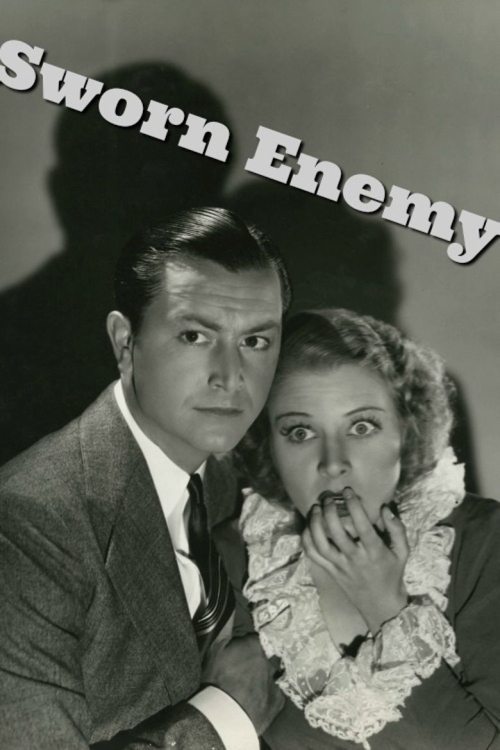
1936

1948
No reviews yet. Be the first to share your thoughts on this movie!
Use the rating form above to leave a star rating and optional review.