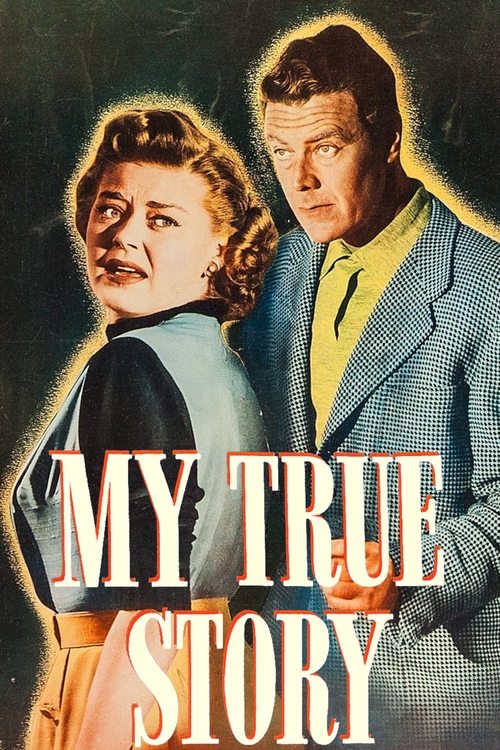
My True Story
1951
No user ratings available yet
Representation score: 1.9 out of 10
Representation Score
Minimal
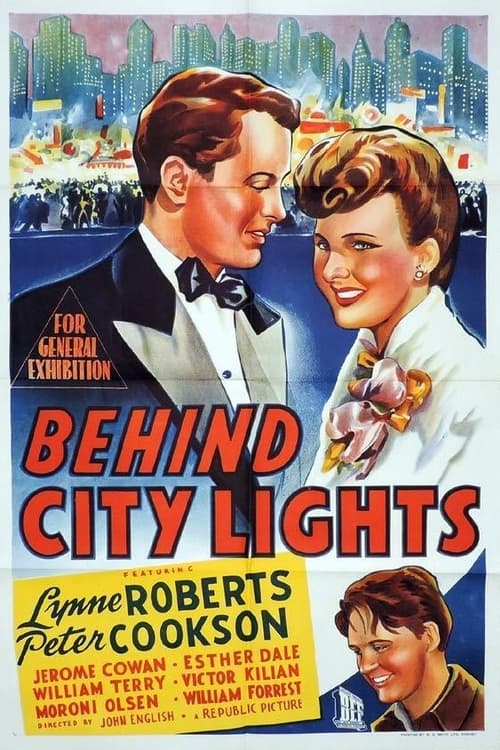
1945
ApprovedDirector
John English
Runtime
68 minutes
Average Rating
No ratings yetNew Showbiz Analysis
City Lights is a product of the 1940s Republic Pictures ecosystem, adhering closely to the genre conventions of the era. The narrative prioritizes established archetypes and clear moral binaries over social complexity. The film's structure centers on a country woman being manipulated by male criminals, emphasizing female victimization and reinforcing traditional gender hierarchies.
Category Breakdown
The film does not include any LGBTQ+ narratives or non-straight relationships. It follows a traditional romantic-crime storyline typical of the 1940s.
The female protagonist is portrayed as vulnerable and is deceived and framed by male characters, reinforcing the idea that women are often passive in conflicts driven by men.
The production reflects the homogeneous casting practices of the 1940s studio system. There are no non-white actors or racially diverse characters in the film.
The story adheres to a standard mid-century moral framework focused on crime and justice. It does not explore or challenge Western social norms.
There are no characters with visible or invisible disabilities featured in the film.
Present on Screen
Limited or Absent
Official Synopsis
This Republic programmer stars Lynne Roberts as a country gal who is slickered by a couple of city-fied jewel thieves, played by Peter Cookson and Jerome Cowan. Roberts is set up for a patsy by these two rogues, and nearly ends up in jail-and later on, narrowly escapes being rubbed out by gangsters.
1951
1937
1937
1950
1941
1949
1940
1937
No reviews yet. Be the first to share your thoughts on this movie!
Use the rating form above to leave a star rating and optional review.