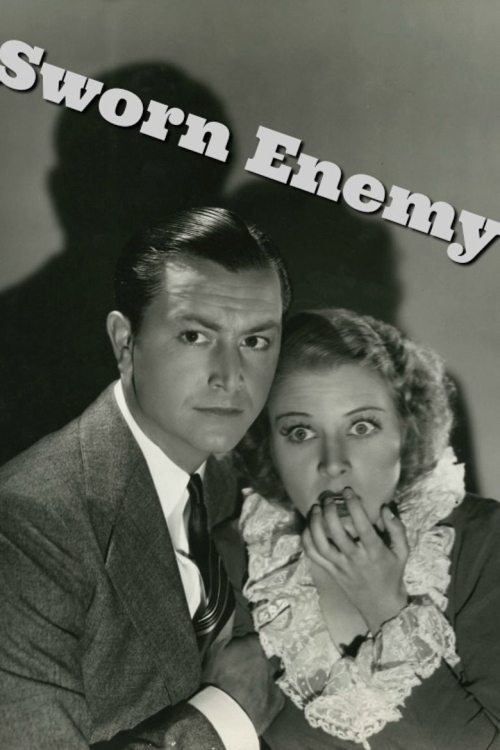
Sworn Enemy
1936
No user ratings available yet
Representation score: 1.6 out of 10
Representation Score
Minimal
1937
NRDirector
William A. Seiter
Runtime
100 minutes
Average Rating
No ratings yetNew Showbiz Analysis
This 1937 crime-romance drama follows conventional genre conventions that uphold the social hierarchies of its era. The narrative centers on a male-led undercover operation to stop bank robbers, emphasizing traditional heroism and institutional authority. The film adheres to the standard clichés of the Golden Age studio system, emphasizing patriotism and the restoration of order. It offers no significant disruption to the prevailing cultural or social norms of the time.
Category Breakdown
The film does not include any characters with non-traditional gender identities or sexual orientations. The romantic elements follow traditional heterosexual relationships typical of 1937 films.
The male protagonist, Lt. Richard L. Perry, plays a central role in the undercover mission. Despite the title suggesting female involvement, the narrative emphasizes male authority and action.
The story centers on federal law enforcement in the American Midwest. It likely reflects the predominantly white casting standards of 1930s Hollywood.
The plot reinforces the sanctity of Western institutions such as the Presidency and the banking system. Law enforcement is positioned as the primary stabilizer of social order.
There is no mention of characters navigating physical or neurodivergent experiences within the narrative.
Present on Screen
Limited or Absent
Official Synopsis
President McKinley asks Lt. Richard L. Perry to go underground to identify some obviously very well briefed Mid-Western bank robbers based in Saint Paul, Minnesota.
1936
1941
1937
1937
1940
1945
1939

1937
No reviews yet. Be the first to share your thoughts on this movie!
Use the rating form above to leave a star rating and optional review.