Las hijas del Amapolo
1962
No user ratings available yet
Representation score: 3.5 out of 10
Representation Score
Minimal
1965
Director
Miguel Zacarías
Runtime
120 minutes
Average Rating
No ratings yetNew Showbiz Analysis
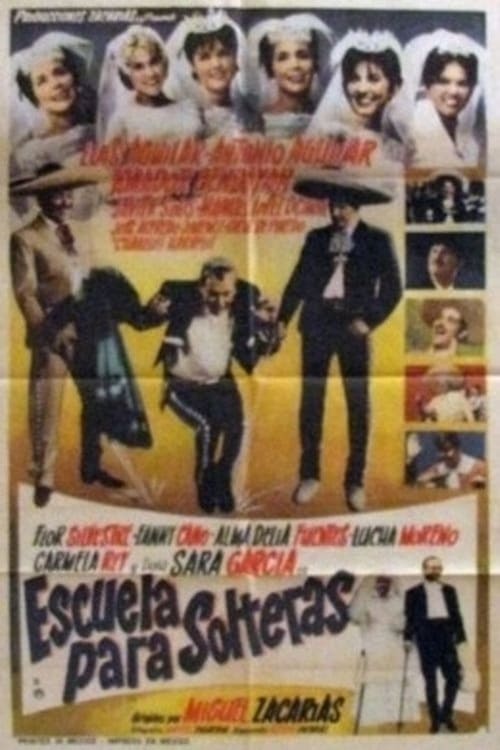
Escuela para solteras exemplifies mid-century Mexican cinema, adhering to the conventions of the ranchera and romantic comedy genres. The narrative structure reinforces rather than disrupts the social hierarchies and gendered expectations of the 1960s. While the film provides female characters with central roles, their influence is limited to navigating marriageability and class standing. Power dynamics remain centered on male figures, who serve as the primary agents of romantic resolution. Ultimately, the film celebrates traditional romantic archetypes and maintains the status quo without introducing diverse perspectives or challenging systemic power dynamics.
Category Breakdown
The film strictly follows the social norms of 1960s Mexico, focusing on traditional romantic relationships between female students and charros.
Female protagonists have significant screen time and emotional depth, but their influence is limited to pursuing marriage and managing social reputation within a patriarchal society.
The cast primarily consists of mestizos, reflecting the demographics of the era. The narrative does not actively challenge the racial homogeneity of its upper-middle-class setting.
The film upholds traditional Mexican social institutions, emphasizing family and decorum. It does not critique religion or the patriarchal family structure, presenting them as stable elements.
There is no significant evidence regarding the portrayal of physical or neurodivergent disabilities in this production.
Present on Screen
Limited or Absent
Official Synopsis
All-star ranchera fest, rom-com style. Four charros, four eligible young ladies.
1962
1990

1965
1957

1958

1979

1963

1962
No reviews yet. Be the first to share your thoughts on this movie!
Use the rating form above to leave a star rating and optional review.