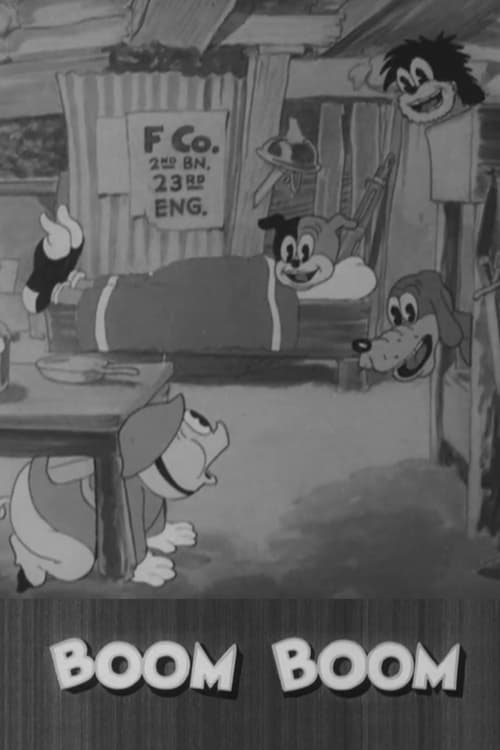
Boom Boom
1936
No user ratings available yet
Representation score: 1.3 out of 10

Representation Score
Minimal
1914
Director
Arthur Melbourne Cooper
Runtime
1 minutes
Average Rating
No ratings yetNew Showbiz Analysis
An Appeal is a utilitarian stop-motion animation created for wartime mobilization. Its main goal is to encourage support for British troops during the Boer War, focusing on national solidarity and traditional roles. Because it was made in a pre-modern era, it adheres to the values and hierarchies of the early 20th-century British context. It lacks the narrative complexity needed to explore social identities or multi-layered themes. Ultimately, the film serves a functional, patriotic purpose rather than a creative or social one.
Category Breakdown
The film does not include any characters or identities that are not straight or cisgender. It focuses on promoting a specific viewpoint rather than exploring diverse identities.
The film emphasizes traditional gender roles, particularly those related to combat and masculinity. It highlights the role of men in combat without challenging existing hierarchies.
The work presents a homogeneous Anglo-Saxon perspective typical of the British Empire era. There is no indication of a diverse cast or racial diversity.
The film promotes patriotism and support for national military institutions. It upholds traditional Western structures and civic duty without exploring diverse cultural perspectives.
Given its extremely brief duration, there is no evidence of representation of physical or neurodivergent identities.
Present on Screen
Limited or Absent
Official Synopsis
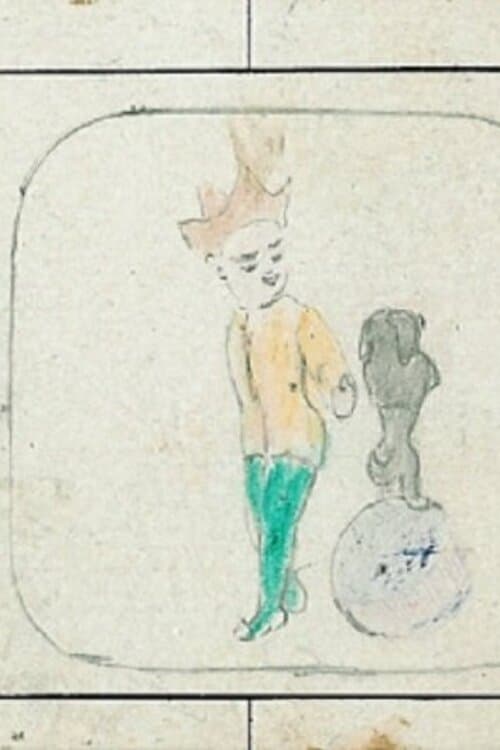
A thirty-second long stop-motion animated piece intended to encourage the audience to send matches to British troops fighting the Boer War.
1936
2016
1894

1927

1941

1944
1892

1912
No reviews yet. Be the first to share your thoughts on this movie!
Use the rating form above to leave a star rating and optional review.