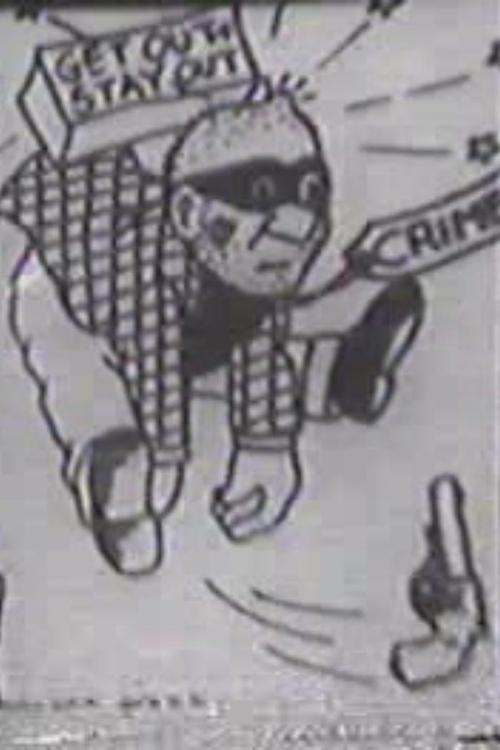
Cleaning Up!!?
1921
No user ratings available yet
Representation score: 0.0 out of 10
Representation Score
Minimal
1921
Director
Walt Disney
Runtime
1 minutes
Average Rating
No ratings yetNew Showbiz Analysis
This film from the Laugh-O-Gram Studio era emphasizes technical animation skills and comedic timing over social commentary. The narrative is driven by kinetic movement and experimental animation techniques rather than identity-driven storytelling. Operating within the conventional, homogeneous frameworks of the early 1920s, the film lacks the intentionality needed to challenge social hierarchies or provide meaningful characters who reflect more than one aspect of diversity. It reflects the era's standard demographic and social norms. Ultimately, the film serves as a historical document of technical development rather than a platform for diverse or progressive narratives.
Category Breakdown
The film does not include any representation of LGBTQ+ identities or same-sex relationships, adhering to the assumption that everyone is straight or cisgender.
Male characters and figures dominate the story, taking a leading role in driving the plot. The film reinforces traditional gender roles without challenging the status quo.
The animation reflects the predominantly white demographics of early 20th-century American media, with no evidence of diverse racial backgrounds.
The film focuses on technical animation skills and humor, avoiding engagement with themes of secularism or broader societal critique.
There is no evidence of characters with physical or neurodivergent disabilities in this work.
Present on Screen
Limited or Absent
Official Synopsis
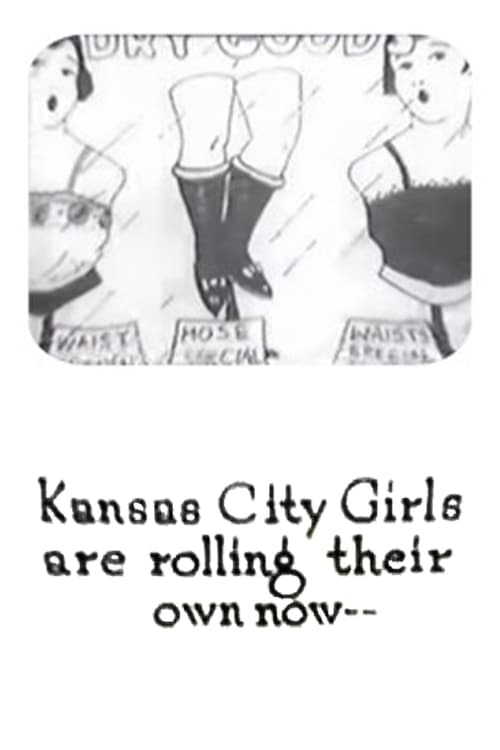
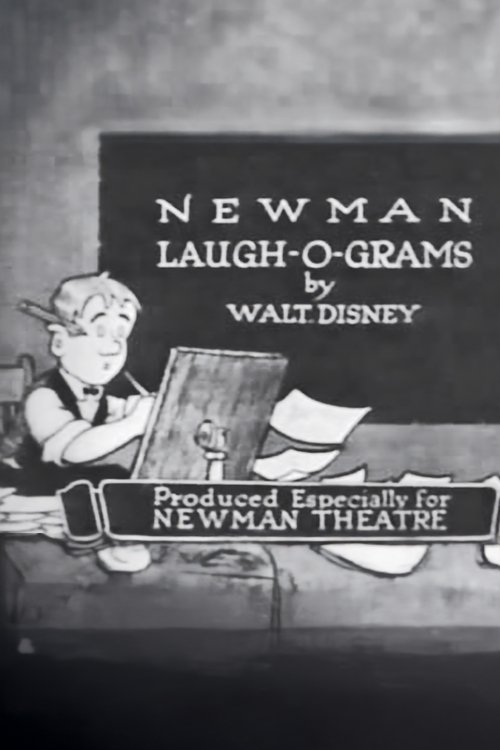
First properly animated film produced by Laugh-O-Gram Studio, as part of demo reel. Part of the Newman Laugh-O-Grams Series.
1921
1921
1921
1921
1928
1928

1928
1929
No reviews yet. Be the first to share your thoughts on this movie!
Use the rating form above to leave a star rating and optional review.