Strikebound
1984
No user ratings available yet
Representation score: 3.0 out of 10
Representation Score
Good
1993
PG-13Director
Gaylene Preston
Runtime
194 minutes
Average Rating
No ratings yetNew Showbiz Analysis
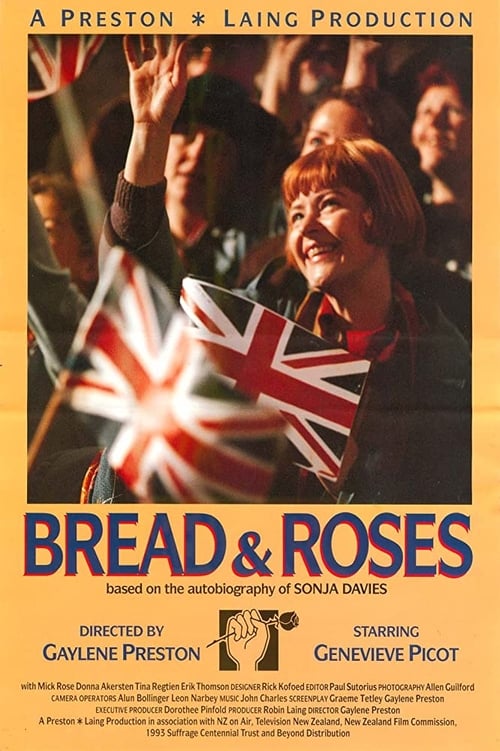
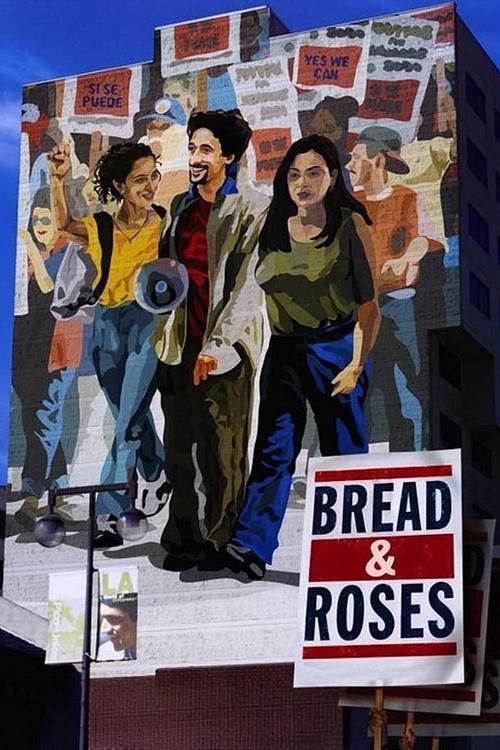
Bread & Roses is a sophisticated exploration of class and gender, prioritizing the empowerment of the working class. It challenges conventional social norms by framing political engagement as a legitimate response to systemic oppression. The film's strength lies in its refusal to adhere to traditional hierarchies, focusing instead on feminist and class-based ability to act. It moves the female experience from the domestic sphere into the public and political arenas. However, the narrative lacks significant visibility for LGBTQ+ individuals and multi-ethnic groups. While it provides a deep dive into socio-economic struggles, these specific identities remain largely on the periphery.
Category Breakdown
The film lacks prominent LGBTQ+ characters or diverse gender identities. While relationships are explored, the main storylines stay within traditional heterosexual frameworks.
The narrative highlights female leadership and disrupts traditional gender hierarchies. Women are shown as intellectually and politically capable leaders driving significant social change.
The story focuses on the New Zealand working class. It does not explicitly center a multi-ethnic or non-Anglo-Saxon majority within the plot.
The film critiques Western institutions and capitalism, emphasizing collective solidarity and political activism over individual success.
The protagonist's battle with tuberculosis is a significant part of her story. Her illness is woven into her character's resilience rather than serving as a mere plot device.
Present on Screen
Limited or Absent
Official Synopsis
Based upon the life of activist and trade unionist (and later MP) Sonja Davies. The film covers her life up to 1956, when, at age 33, she was elected to the Nelson Hospital Board. During this period she develops strong socialist beliefs, marries and divorces, at age 17 trains as a nurse, has a romance (and a child) with an American marine who is killed in WWII action. She battles tuberculosis and marries a former boyfriend when he returns from the war. She becomes part of a women's ill-fated campaign to save the Nelson railway line from closure and begins to be elected to political bodies.
1984
1995

2006
1981

2020
2000

1983

2011
No reviews yet. Be the first to share your thoughts on this movie!
Use the rating form above to leave a star rating and optional review.