
An Early Frost
1985
No user ratings available yet
Representation score: 7.8 out of 10
Representation Score
Good
1991
Director
John Erman
Runtime
96 minutes
Average Rating
No ratings yetNew Showbiz Analysis
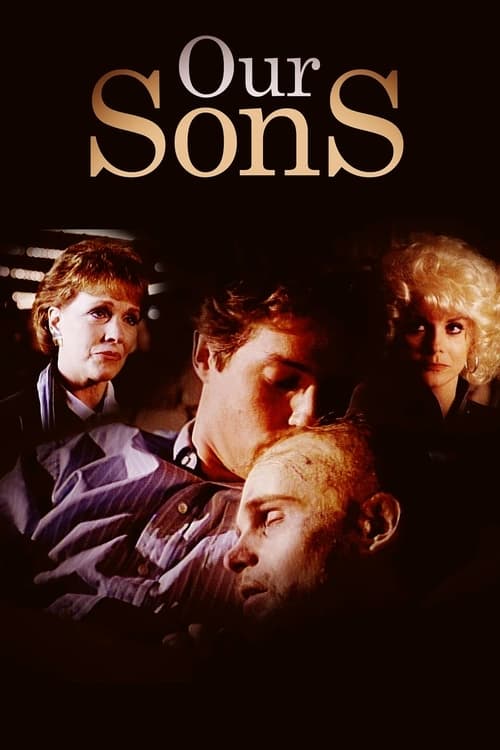
Our Sons is a humanistic drama that centers on the intersection of queer identity and the AIDS epidemic. It succeeds by making these elements the engine of the narrative rather than peripheral subplots, forcing a confrontation with prejudice. The film's strength lies in its ability to destabilize traditional familial and regional hierarchies. By focusing on the shared experiences of two mothers, it promotes empathy over rigid social dogma. However, the film is limited by a lack of racial and ethnic diversity. The focus remains strictly within a white, middle-class framework, missing opportunities to address broader systemic dynamics.
Category Breakdown
The film centers a queer relationship during the AIDS crisis, making the protagonist's orientation central to the plot. It challenges the assumption that everyone is straight by placing the relationship at the emotional core of the story.
Audrey is portrayed as a modern, liberal businesswoman who navigates the tension between her self-perception and her son's identity. The story delves into the psychological negotiation of maternal authority and emotional labor.
The narrative focuses on a predominantly white, middle-class domestic sphere. It lacks diverse representation, framing conflicts through regional cultural clashes rather than broader systemic racial dynamics.
The film critiques traditional social institutions and regional moralities. It explores the tension between modern urban perspectives and conservative regional outlooks through the shared grief of two mothers.
AIDS is presented as a catalyst for the plot, focusing on the heavy emotional and social realities of the condition. The narrative avoids pity, treating characters as active participants in their journey.
Present on Screen
Limited or Absent
Official Synopsis
When James admits to his mother that he is gay it strains her liberal attitude. A San Diego businesswoman, Audrey believes she is a modern, open-minded mother, but the news sends her reeling. However, the real shock comes when James asks her to travel to Arkansas and inform his lover's estranged mom, Luanne, that her son has AIDS. As Audrey and Luanne learn to put aside their prejudice toward each other, they soon discover how to share their thoughts, hopes and fears for their sons.
1985

1993

1986

1995
1997

2014
1985

1992
No reviews yet. Be the first to share your thoughts on this movie!
Use the rating form above to leave a star rating and optional review.