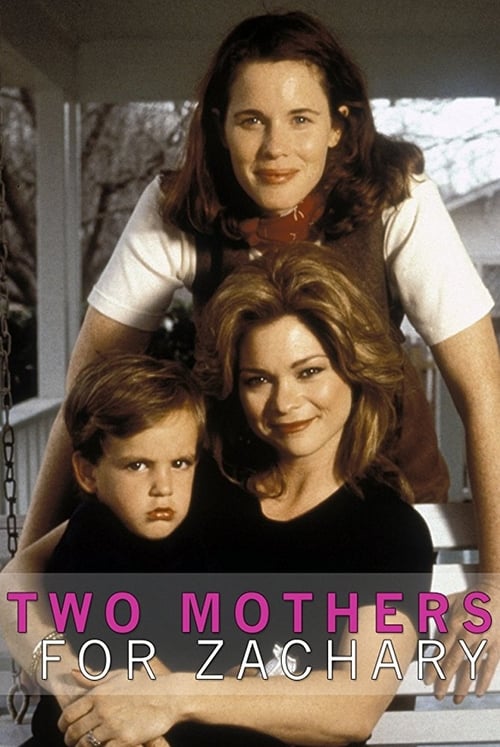
Two Mothers for Zachary
1996
No user ratings available yet
Representation score: 4.5 out of 10
Representation Score
Limited
1978
TV-14Director
Jerry Thorpe
Runtime
92 minutes
Average Rating
No ratings yetNew Showbiz Analysis
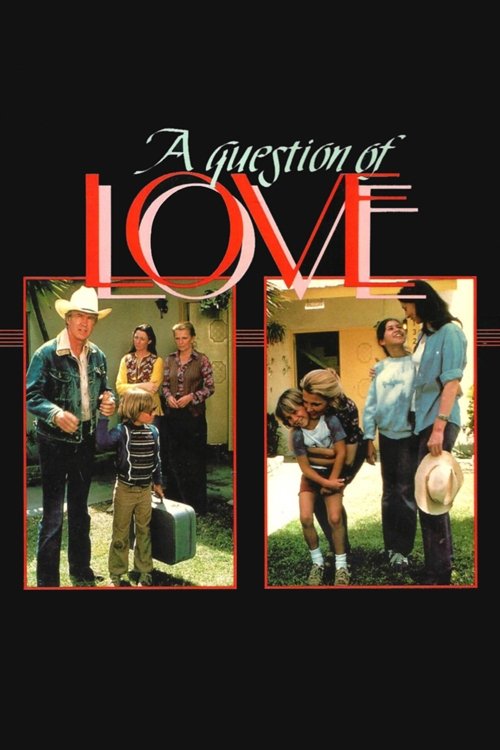
A Question of Love is a period-specific exploration of domestic and social conflicts. By placing a lesbian mother at the center of a custody battle, the film brings a underrepresented identity to the forefront of the narrative. The film challenges traditional gender roles by highlighting a woman’s strength and independence in a legal battle. This focus on individual empowerment within the context of the late 1970s suggests a nuanced examination of female autonomy. While the film effectively disrupts conventional domestic expectations, it lacks information about racial and disability representation, limiting its broader impact.
Category Breakdown
The film focuses on a lesbian protagonist who is the main character driving the narrative. She fights for custody of her son, challenging traditional assumptions about relationships.
A woman plays the central role in a high-stakes legal battle against her ex-husband. The story highlights maternal strength and female independence against traditional patriarchal structures.
There is no information available regarding the racial or ethnic composition of the cast. Consequently, no assessment of racial diversity can be made.
The film explores the breakdown of the traditional nuclear family by examining the conflicts between non-traditional families and legal systems. It questions rigid social institutions and their impact on modern families.
No information is provided about characters dealing with physical, neurological, or mental health conditions. Therefore, there is no representation of disabilities in the film.
Present on Screen
Limited or Absent
Official Synopsis
A lesbian mother fights to keep her son when a custody suit is brought by her ex-husband.
1996

1989
2001

1997
1997
1991
1996

1984
No reviews yet. Be the first to share your thoughts on this movie!
Use the rating form above to leave a star rating and optional review.