
Juliette, or Key of Dreams
1951
No user ratings available yet
Representation score: 2.8 out of 10

Representation Score
Fair
1955
Director
Claude Autant-Lara
Runtime
125 minutes
Average Rating
No ratings yetNew Showbiz Analysis
Marguerite of the Night is a film characterized by a tension between traditional casting and progressive thematic deconstruction. Despite lacking demographic diversity in terms of race and LGBTQ+ identities, it excels in critiquing systemic power. The narrative structure emphasizes the psychological experience of the individual over the preservation of communal or religious values. By presenting institutional dogma as a source of repression, the film challenges the standard period romance. Ultimately, the work serves as a critique of social control, even as it relies on certain melodramatic clichés regarding mental health and maintains a homogeneous cast.
Category Breakdown
The film centers on heterosexual romantic obsession and religious devotion. It does not include any representation of non-binary gender identities or same-sex relationships.
Marguerite is a key character who plays a significant role in driving the story. The narrative highlights how patriarchal and religious institutions try to control her autonomy.
The cast is ethnically uniform, reflecting the 18th-century French context. The film does not use diverse casting to challenge demographic norms.
The story provides a nuanced critique of the Catholic Church and aristocratic structures. It portrays these institutions as oppressive forces that limit individual freedom.
The protagonist's psychological instability serves as a means for tragic melodrama. The portrayal adheres to common period drama clichés regarding mental illness.
Present on Screen
Limited or Absent
Official Synopsis
It tells the story of an older pedant who buys adolescence from Satan.
1951
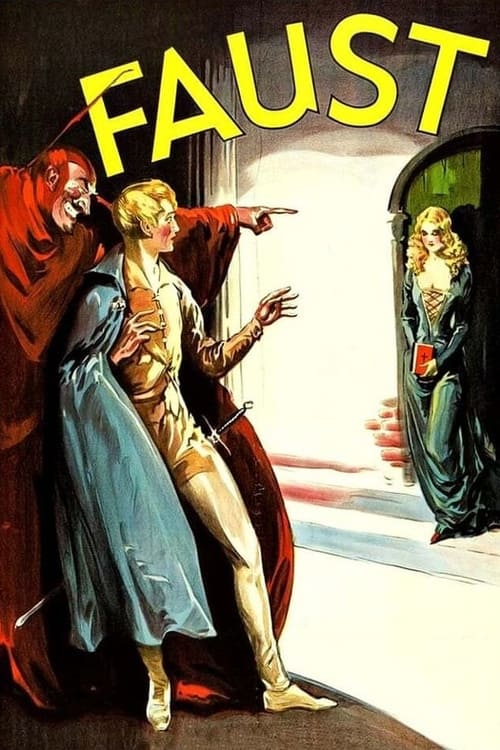
1926
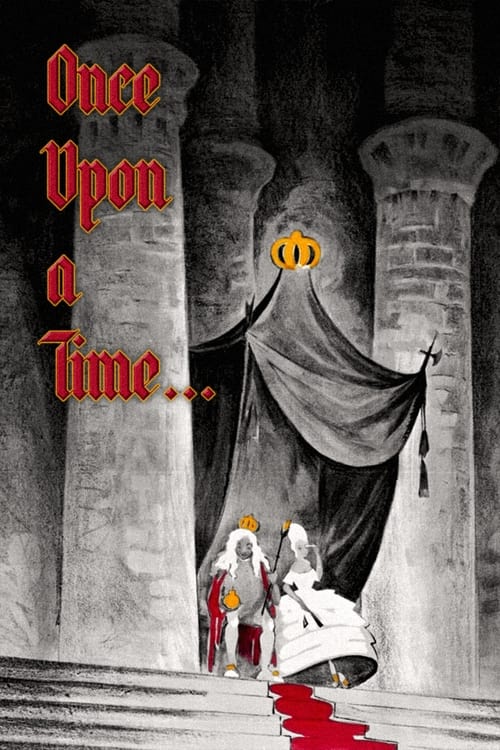
1922

1960

1948

1945

2016

1947
No reviews yet. Be the first to share your thoughts on this movie!
Use the rating form above to leave a star rating and optional review.